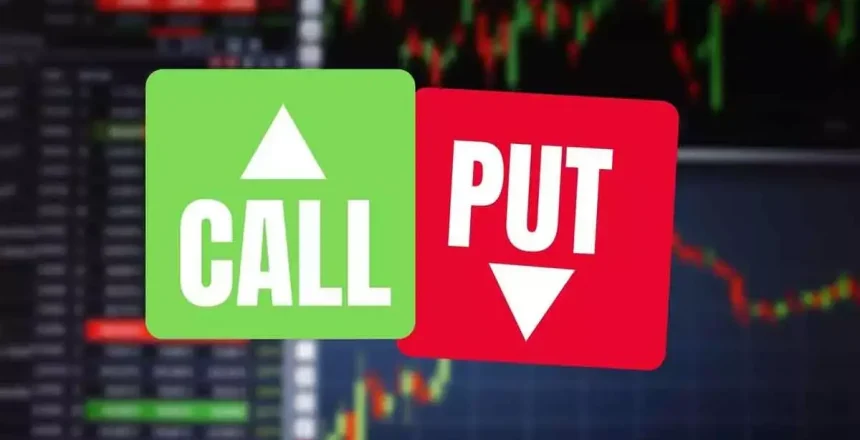
Understanding market sentiment is crucial for options traders, and the put-call ratio is a key tool in this process. This ratio compares the trading volume of put options, which signal bearish sentiment, to call options, which indicate bullish sentiment. Remember, calls are rights to buy an underlying at a given price/time; while puts are rights to sell an underlying at a given price/time. Inherently, calls are bullish while puts are bearish. Measuring where the bulk of traders are opening positions can provide insight into where the market’s sentiment is leaning.
When traders look at the put-call ratio, they’re essentially gauging the mood of the market. A high ratio suggests a bearish outlook, with more puts being traded. Conversely, a low ratio points to bullish sentiment, with calls dominating the scene. Think about it like insurance. If traders fear the market is at risk of declining in the near future, they will pile into put options to hedge out that risk. The same could be said for call options, only traders would be hedging upside risk.
The real value of the put-call ratio lies in its ability to highlight potential market reversals. Extreme values can indicate shifts in sentiment, providing traders with insights into possible turning points. This makes it a vital part of any options enthusiast’s toolkit.
By analyzing the put-call ratio, traders can better understand market dynamics and make informed decisions. It’s all about reading the market’s mood and anticipating movements before they happen.
Basics of Puts and Calls and Their Sentiment
Put and call options are fundamental to understanding market sentiment. Put options give the holder the right to sell a stock at a specified price within a certain period. They’re often used to hedge against falling prices. When traders buy puts, it usually means they’re expecting a decline in the asset’s price.
Call options, on the other hand, provide the right to purchase a stock at a predetermined price before the expiration date. These are typically used when traders anticipate an increase in the asset’s price. Buying calls suggests a bullish outlook, as traders expect the market to rise.
Now, let’s talk sentiment thresholds. When the put-call ratio falls below 0.7, it indicates bullish sentiment. This means call options are more popular, signaling confidence in rising market prices. If the ratio climbs above 1.0, it reflects bearish sentiment, with more traders hedging against potential declines by buying puts.
Understanding these basics can help options enthusiasts grasp market dynamics. Recognizing how these options play into the larger sentiment picture allows traders to make informed decisions. By keeping an eye on these indicators, traders can align their strategies with the prevailing market mood.
Calculating the Put Call Ratio
The put-call ratio helps traders understand market sentiment. It can be calculated using two main methods: volume and open interest.
Volume-Based Calculation: Divide the total trading volume of put options by the total volume of call options for a specific period. This gives a snapshot of daily trading activity.
Open Interest-Based Calculation: Divide the total open interest (outstanding contracts) of put options by the total open interest of call options. This method reflects longer-term positions as it tends to exclude intra-day trading activity.
Analyzing trends in the put-call ratio is crucial. Increasing ratios often indicate bearish sentiment, while decreasing ratios suggest bullish sentiment. It’s the trends that matter, not just standalone values.
You can obtain this data from various financial platforms and trading exchanges. They provide real-time and historical data, helping you keep track of these trends effectively.
Understanding these calculations allows options enthusiasts to gauge market dynamics more precisely. By focusing on how these ratios change over time, traders can gain insights into potential market movements and sentiment shifts.
Patterns and Insights
| Date | Put/Call Ratio | Extreme Type | S&P 500 Level |
|---|---|---|---|
| Jan 26, 2018 | ~0.50 (very low) | Bullish Extreme (Low) | 2,872.9 (record high) |
| Dec 21, 2018 | 1.13 (record high at the time) | Bearish Extreme (High) | 2,416.6 (in a deep selloff) |
| Feb 19, 2020 | ~0.55 (very low) | Bullish Extreme (Low) | 3,386.2 (all-time high) |
| Mar 12, 2020 | 1.28 (new record high) | Bearish Extreme (High) | 2,480.6 (panic selling) |
| Jan 27, 2021 | ~0.40 (One of lowest on record) | Bullish Extreme (Low) | 3,849.6 (call-buying frenzy) |
| Dec 21, 2022 | 2.03 (all-time high) | Bearish Extreme (High) | 3,878.4 (bearish sentiment peak) |
Historically, extremely high put/call readings have coincided with market panic and major lows, often foreshadowing above-average gains in subsequent months. For example, the late-2018 and March 2020 spikes in the put/call ratio (reflecting intense fear) marked durable market bottoms, with the S&P 500 rallying strongly in the following 1–3 months.
Conversely, exceptionally low put/call ratios – indicating exuberant call buying and complacency – have often preceded market corrections. The January 2018 and February 2020 lows in the ratio (signaling extreme bullish sentiment) came just before rapid S&P 500 sell-offs.
Applications and Limits of Put Call Ratio
The put-call ratio is a handy tool for traders. Momentum traders use it to confirm trends. When the ratio matches their market direction, it boosts their confidence. Contrarian traders watch for extremes. High ratios often signal oversold markets, suggesting a possible reversal. Low ratios might indicate overbought conditions.
But the put-call ratio has limits. Never use it as your only guide. Context matters. Market indicators, economic events, and news affect its meaning. Volatility and other external factors also change how you should interpret it.
Relying on the ratio alone leads to mistakes. Combine it with other analysis tools. This helps you avoid common errors like misreading values or missing the bigger market picture.
At Cheddar Flow, we help traders understand these dynamics. Our platform offers real-time options flow tracking and advanced analytics. This lets you combine the put-call ratio with broader market insights for smarter decisions. While the put-call ratio provides value, it works best as one part of your complete trading strategy.
Insights From Historical Trends and Comparisons
Analyzing historical trends in the put-call ratio helps you understand market dynamics. When you compare current values with historical averages, you can spot anomalies that signal potential trading opportunities.
Sentiment thresholds provide clear guidance. A put-call ratio below 0.7 signals bullish sentiment, while values above 1.0 indicate bearish sentiment. These benchmarks help you align your trading strategy with market sentiment.
The put-call ratio works well alongside other indicators like the VIX. While the put-call ratio shows options trading activity, the VIX measures expected market volatility. When these indicators move in different directions, you gain extra insight. For example, a low put-call ratio with a high VIX suggests market optimism despite uncertainty.
We enhance your analysis with our real-time options flow tracking and analytics. Our tools display these patterns clearly, giving you a sharp picture of market sentiment. This helps you make better decisions using both historical trends and live data to navigate the market.