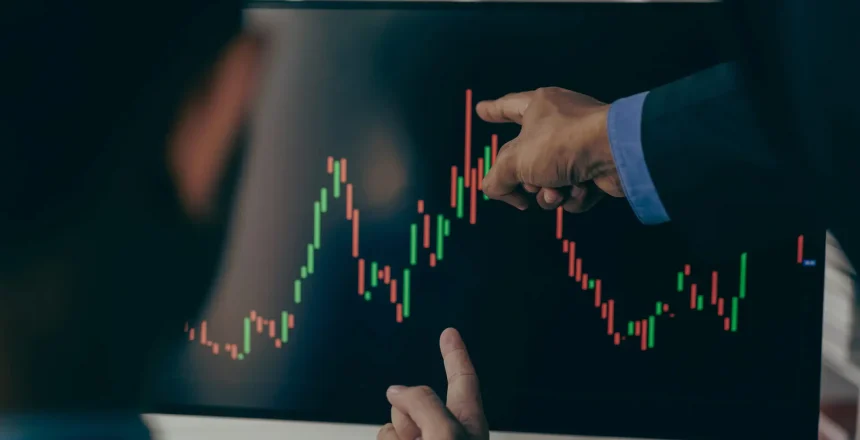
Spotting a potential trend reversal in the market can feel like finding a lighthouse in the middle of a storm. That’s where the Morning Star pattern comes in, a technical trading signal that’s often seen as a beacon of hope after a downtrend.
Traders often rely on this pattern to spot when selling momentum is drying up and buyers might re-enter the market. It’s like the market exhaling after a rough stretch, signaling that a shift could be underway.
Visually, the Morning Star is a three-candlestick formation that tells a story. First: there’s a heavy red candle, reflecting strong selling pressure. Then: comes a small-bodied candle—sometimes called a doji—that suggests indecision. A green candle appears: reversing the earlier losses with a burst of buying strength. The emotional rhythm is clear: fear, hesitation, and then cautious optimism.
But here’s the thing, context matters.
This pattern becomes far more reliable when it shows up after a steady price decline, especially near support levels or when the market looks oversold. For many traders, it serves as both a sign of price action and a window into market psychology.
Understanding that shift is what makes this pattern so powerful. Who wouldn’t appreciate such a clear glimpse into shifting market sentiment?
Structure and Psychology of the Morning Star Pattern

The Morning Star pattern is a story unfolding in three acts, played out by candles on a chart.
First, there’s the long bearish candle. This one screams selling pressure, as if market participants are in full-on panic mode.
Then comes the second candle, a small-bodied one, often a doji. This is the “pause” moment, signaling indecision. Traders are holding their breath, waiting to see who’ll take the reins next.
The third candle flips the mood entirely, closing strong and bullish, a clear signal that buyers are stepping in and momentum is shifting.
Now, there’s a variation called the Doji Morning Star. Here, that middle candle being a doji can actually amplify the pattern’s significance. This middle doji highlights a deeper sense of market uncertainty before buyers take control. When the third candle, the confirmation, arrives, it often carries more weight, reinforcing the reversal.
If the Morning Star represents hope, its bearish twin, the Evening Star, is a warning flare. It shows up after an uptrend, signaling that bullish energy is waning. The structure mirrors the Morning Star but in reverse, bullish strength, hesitation, then bearish dominance.
Recognizing this dynamic is both technical and rooted in understanding the emotions driving the market.
The Morning Star is all about a shift in control, from sellers to buyers. The beauty of these patterns lies in what they reveal about market psychology.
How to Trade the Morning Star Pattern
Trading the Morning Star pattern starts with identifying the three-candle setup on your chart. First, spot the large red candle that signals strong selling pressure. Next, look for the smaller second candle, red or green, which shows market indecision. Confirm the pattern with a long green candle that closes at least halfway into the body of the first red candle—this third candle signals the potential trend reversal you’re looking for.
Confirmation helps you avoid false signals. Check for a volume spike on the third candle; higher volume suggests stronger conviction behind the move. Pair this with indicators like RSI dipping below 30, which signals oversold conditions, or a bullish MACD crossover to bolster your confidence.
The best Morning Star setups often form near established support levels, where buyers are likely to step in.
When entering a trade, patience is your best friend. Wait for the third candle to close above the midpoint of the first candle before going long.
Set your stop-loss just below the low of the second candle to cap your risk. For profit targets, aim for recent resistance levels or use Fibonacci extensions to project potential gains.
As your trade progresses, consider using a trailing stop to lock in profits as the price moves in your favor. Scaling out—selling portions of your position at different price levels—can help secure gains while staying in the trade for further upside.
Avoid rushing in before the pattern fully forms. Adding tools like Cheddar Flow’s options order flow tracking or dark pool data can provide additional context, helping you gauge institutional sentiment and validate your setup.
This extra layer of analysis can make all the difference in improving your trading decisions.
Benefits and Risks
And there you have it, a complete picture of the Morning Star pattern and how it fits into a trading strategy. At its core, this pattern is all about recognizing a potential market reversal and capitalizing on it. The three-candle formation, with its tale of fear, hesitation, and renewed confidence, offers a clear framework for identifying shifts in momentum.
Its main appeal lies in its simplicity. You don’t need to be overwhelmed by complex indicators to spot this pattern.
However, as we discussed, context is everything. Seeing it near a support level or alongside confirmation signals like increased volume or oversold indicators can significantly boost its reliability.
Challenges do exist here. False signals can occur, especially in choppy markets, and interpreting gaps or setting stops can sometimes feel more like art than science.
That’s why it makes sense to pair the Morning Star with other tools, like volume analysis, technical indicators, or even platforms like Cheddar Flow that reveal institutional-level insights.
Ultimately, the Morning Star works best as a tool to complement your strategy. It shines brightest when combined with discipline, a solid strategy, and a clear understanding of the broader market context.
Use it wisely, and it might just become one of your favorite go-to signals for spotting opportunity when the market gets noisy.
Frequently Asked Questions
What is the Morning Star pattern?
The Morning Star is a three-candle reversal pattern that appears after a downtrend, signaling a potential shift from bearish to bullish momentum in the market. Its structure includes a large bearish candle, a small-bodied candle (often a doji) indicating indecision, and a strong bullish candle that closes at least halfway into the body of the first candle.
How do I identify a valid Morning Star pattern?
Look for three candles:
- The first is a long red (bearish) candle.
- The second is a small-bodied candle or doji, which shows indecision.
- The third is a long green (bullish) candle that closes well into the first candle’s body.
The pattern is most reliable after an extended downtrend and preferably near a support level.
What makes the Doji Morning Star different?
The Doji Morning Star is a variation where the middle candle is a doji, amplifying the sense of indecision before buyers regain control. This form is often considered to carry even more significance than a standard Morning Star.
How do I trade the Morning Star pattern?
Enter a long trade after the third candle closes above the midpoint of the first candle. Ideally, confirm with a volume spike or supporting indicators like RSI or MACD. Place a stop-loss just below the low of the second candle, and target recent resistance levels or use Fibonacci extensions to set take-profits.
Can the Morning Star pattern appear on any timeframe?
Yes, the Morning Star can form on any chart timeframe—from minutes to weeks. However, patterns on higher timeframes (daily, weekly) generally signal stronger and more reliable reversals.
What are common mistakes when trading this pattern?
- Trading without confirmation, such as increased volume or supporting indicators.
- Entering before the pattern completes.
- Ignoring the broader trend or market context.
- Setting stop-losses too tight, which can lead to being stopped out by normal price fluctuations.
Does the pattern guarantee a reversal?
No pattern is foolproof. The Morning Star increases the probability of a reversal, but false signals do occur, especially in choppy or sideways markets. Combining it with other technical tools can improve reliability.
How does the Morning Star compare to the Evening Star?
The Morning Star signals bullish reversals after a downtrend, while the Evening Star is its bearish counterpart, indicating a potential top and trend reversal after an uptrend. Both follow a similar three-candle structure, but in opposite directions.
Should I use additional tools with the Morning Star?
Definitely. Volume analysis, support/resistance levels, and indicators like RSI or MACD enhance the reliability and effectiveness of the Morning Star pattern. Advanced traders may also incorporate order flow or dark pool data for further validation.