Key Takeaways:
- Trump’s 50% tariff threat was first reignited on May 23rd, 2025, after months of stalled negotiations and previous lower tariff proposals.
- EU leaders, led by Ursula von der Leyen and Maros Sefcovic, responded by calling for respect and negotiation, while preparing for possible retaliation.
- The tariffs, originally set for June 1st, are now delayed until July 9th to allow for further talks, but the risk of escalation remains if no agreement is reached.
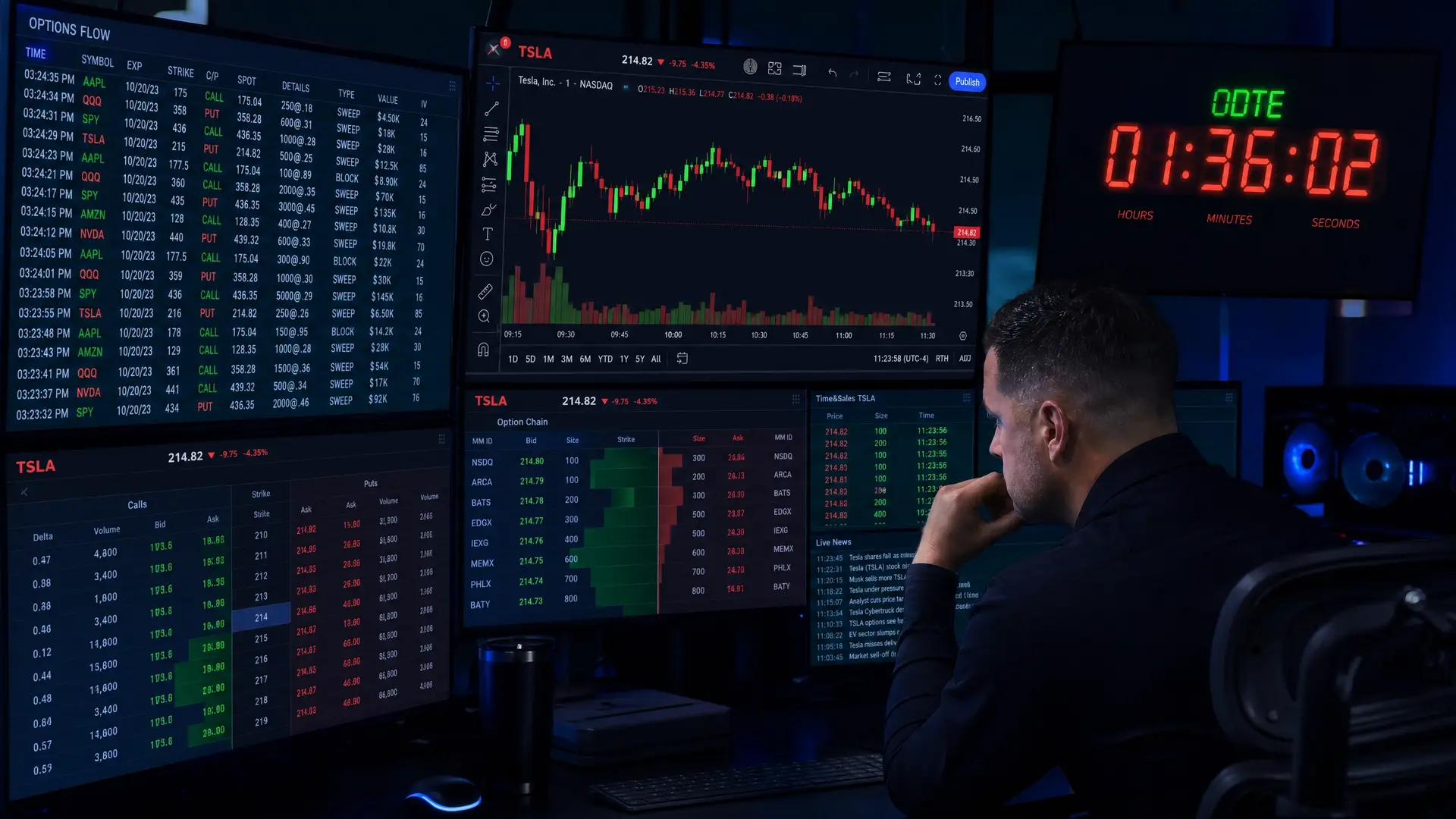
- Market volatility has increased due to uncertainty over the outcome, with both sides under pressure to find a compromise.
- The episode underscores the fragility of U.S.-EU trade relations and the significant economic consequences of protectionist policies on both sides of the Atlantic.
Trump Delays 50% Tariffs on the EU
President Donald Trump’s recent decision to delay the implementation of sweeping 50% tariffs on European Union imports has injected both relief and uncertainty into global markets. Initially set to begin on June 1st, the tariffs—covering more than $600 billion in goods—are now postponed until July 9th, following a direct request from European Commission President Ursula von der Leyen. This move comes after weeks of escalating rhetoric and failed negotiations, highlighting the fragile state of transatlantic trade relations.
Trump Reignites Tariff Threats on the EU
Trump’s renewed tariff threats began in earnest on Friday, May 23rd, 2025, when he declared on Truth Social that the EU had been “very difficult to deal with” and that trade talks were “going nowhere”. He announced his intention to impose a 50% tariff on all EU imports unless a new trade agreement could be reached by June 1st. This threat was a dramatic escalation from earlier in April. Then, Trump had floated a 20% tariff only to later reduce it to 10% during a 90-day negotiation window. The new 50% rate sent shockwaves through financial markets and raised the specter of a full-blown trade war.
EU Leader Responses to Trump’s Re-Escalation of Tariffs
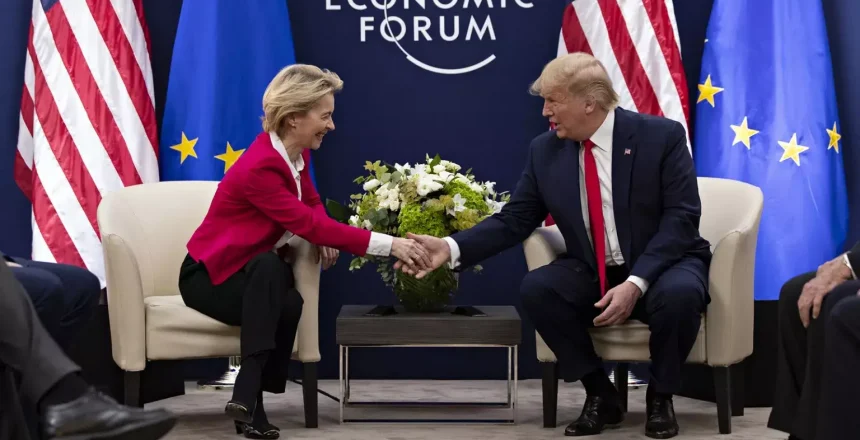
European leaders responded swiftly and firmly to Trump’s tariff threats. Ursula von der Leyen emphasized that the EU needed more time to finalize a deal and pledged that negotiations would proceed “quickly and decisively”. EU Trade Commissioner Maros Sefcovic underscored that the EU is “prepared to defend our interests”. He insists that transatlantic trade should be “guided by mutual respect, not threats”. Several national leaders echoed this sentiment, warning that increased tariffs would hurt both economies and stressing the need for negotiation over confrontation. German Economy Minister Katherina Reiche and French Foreign Minister Laurent Saint-Martin both advocated for de-escalation. They’ve also made clear that the bloc would retaliate if necessary.
What Comes Next?
The delay to July 9th was agreed upon after von der Leyen requested more time for “serious negotiation,” a move Trump described as a “privilege” to grant. Both sides have since committed to rapid and intensive talks, but the underlying issues—such as U.S. demands for unilateral EU tariff cuts and disputes over trade imbalances—remain unresolved. While the market rebounded slightly on news of the delay, analysts warn that volatility will persist as the risk of a trade conflict remains high.