Key Takeaways:
- No concrete breakthroughs were announced; both sides confirmed the call but withheld details.
- Trade truce remains fragile, with mutual accusations of violating the May agreement.
- Critical minerals and technology exports are key sticking points, reflecting deeper strategic competition.
- Markets reacted with cautious optimism, hoping the call signals a willingness to avoid further escalation.
- Broader issues such as Taiwan and fentanyl were not addressed, indicating talks remain narrowly focused on trade.
Trump and Xi Phone Call
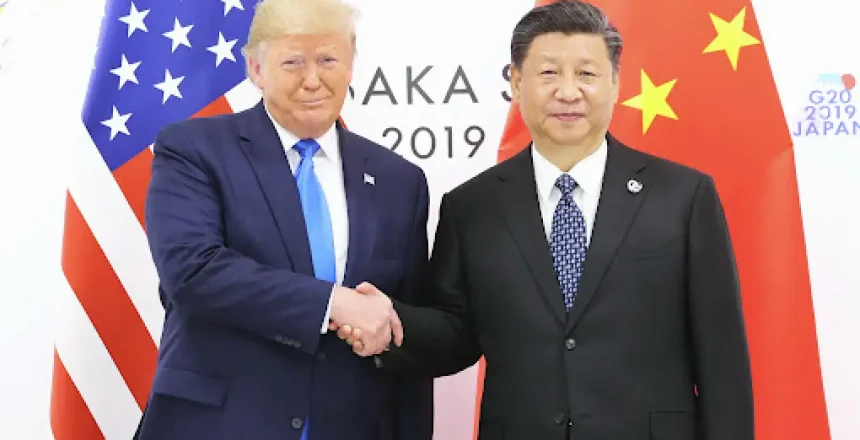
On June 5th, 2025, President Donald Trump and Chinese President Xi Jinping held a long-anticipated phone call, marking their first direct conversation since Trump’s return to office. The call comes at a critical juncture, as trade negotiations between the world’s two largest economies remain stalled and tensions simmer over tariffs, technology, and access to key resources.
Outcomes of the Trump and Xi Phone Call
No Breakthrough, But Dialogue Resumes
Despite high expectations, official details on the outcomes of the Trump and Xi phone call remain scarce. Chinese state media confirmed the conversation at Trump’s request, but neither side has released a substantive readout or specifics about agreements or concessions. The White House has not yet commented.
Trade Truce Under Threat
The call took place against a backdrop of renewed accusations. The US claims China is violating a 90-day trade truce established in May by restricting exports of critical minerals needed for US industry. Simultaneously, China counters that Washington is undermining the agreement with new export controls on advanced technology and by revoking student visas. The temporary deal had reduced US tariffs on Chinese goods from 145% to 30%, with China lowering its tariffs on American imports to 10%. However, both sides now accuse each other of backsliding, raising fears the fragile ceasefire may collapse.
Market Reaction and Diplomatic Significance
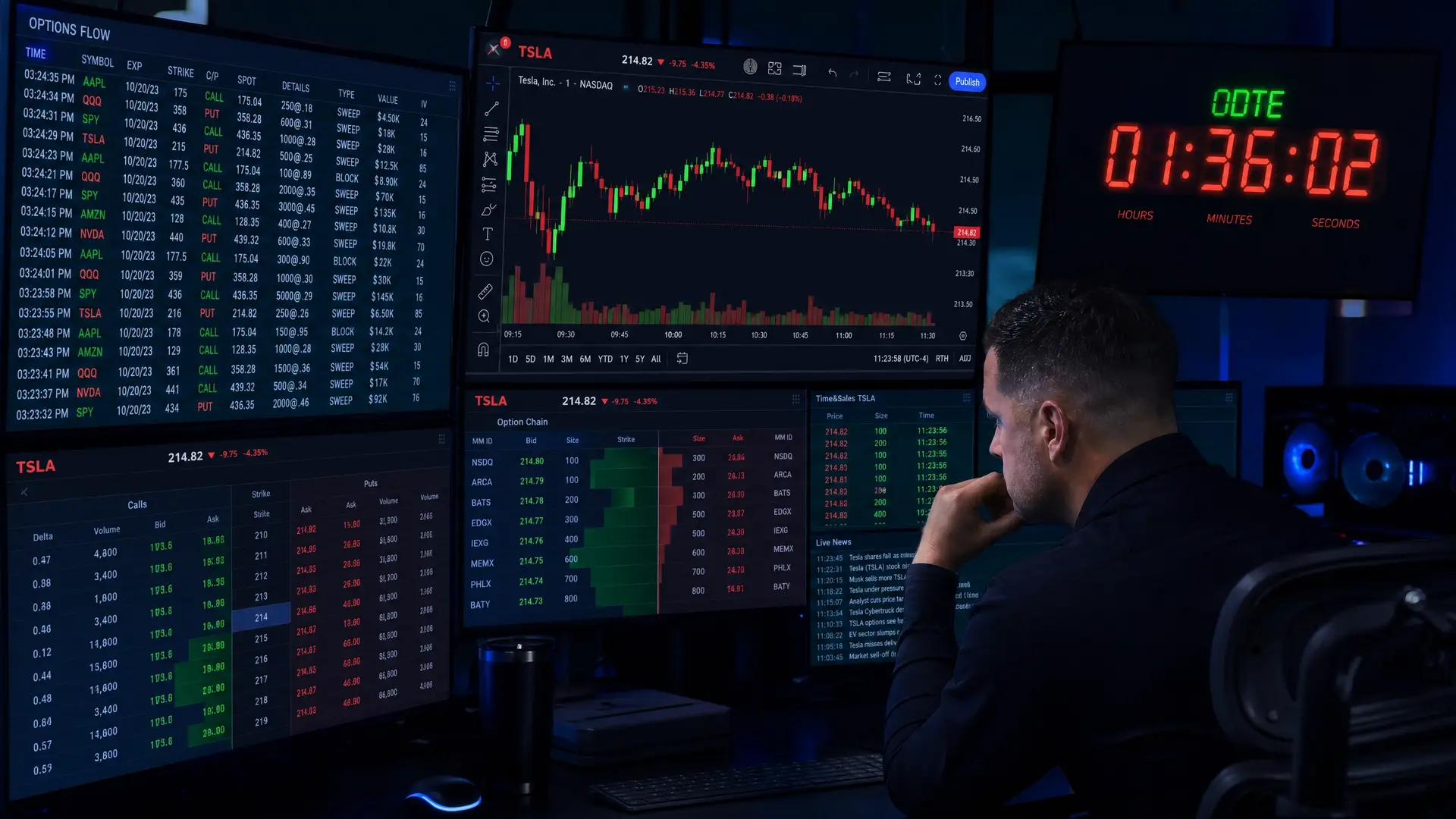
Markets responded with cautious optimism, with stocks seeing modest gains as investors hoped the dialogue might prevent a further escalation. The call is diplomatically significant, signaling that both leaders recognize the need to keep communication channels open, even as fundamental disagreements persist.
Key Issues
Critical Minerals and Technology
A major flashpoint remains China’s control over rare earth minerals, which are vital for US manufacturing and defense industries. The US accuses China of using these exports as leverage, while Beijing objects to new American restrictions on semiconductor technology and student visas. These disputes highlight the broader struggle for technological and economic supremacy.
Stalled Negotiations and Political Rhetoric
Trump has publicly described Xi as “extremely hard to make a deal with,” emphasizing the difficulty of breaking the deadlock. Both leaders face domestic pressure to appear tough, complicating efforts to reach a lasting settlement. The on-again, off-again nature of the talks, with repeated threats and partial rollbacks of tariffs, has created uncertainty for global businesses and markets.
Broader Strategic Rivalry
Beyond tariffs, unresolved issues include the status of Taiwan, fentanyl smuggling, and US complaints about China’s state-driven economic model. The call did not appear to address these broader concerns, suggesting that while dialogue has resumed, a comprehensive resolution remains elusive.