Key Takeaways
- Revenue fell 12% year-over-year to $22.5 billion, marking the steepest decline in a decade.
- Net income dropped 16% amid slumping vehicle sales and shrinking margins.
- Automotive revenue declined 16%, dragged by a 14% drop in vehicle deliveries.
- Tesla reaffirmed commitment to launching a more affordable model and expanded its Robotaxi program.
- Profitability and free cash flow both weakened, but the company maintains a strong cash position.
- No new full-year guidance was provided as Tesla warned of continued rough quarters ahead.
Tesla Earnings Report
Tesla’s Q2 2025 earnings report revealed a difficult stretch for the electric vehicle leader, as total revenue dropped 12% year-over-year to $22.5 billion—the sharpest decline since Tesla went public. Net income decreased 16% to $1.2 billion and adjusted earnings per share were $0.40, both figures coming in below consensus expectations. Analysts had anticipated that vehicle delivery weakness and pricing pressure would weigh on the results, but the depth of the revenue and profit decline underscored growing competitive and macroeconomic headwinds in the EV market.
| Metric | Q2 2025 | YoY Change |
|---|---|---|
| Revenue | $22.5 billion | –12% |
| Net Income | $1.2 billion | –16% |
| Adjusted EPS | $0.40 | –23% |
| Automotive Revenue | $16.6 billion | –16% |
| Free Cash Flow | Significant drop | –89% |
Automotive Revenue and Margin Pressures
Automotive revenue tumbled 16% year-over-year to $16.6 billion, driven primarily by a 14% decline in vehicle deliveries (384,122 cars delivered, with production holding at 410,000). Lower average selling prices, fierce pricing wars, and reduced income from regulatory credits further contributed to the drop. This marks the second consecutive quarter of shrinking deliveries, highlighting intensified competition and shifting demand dynamics within the global EV market.
Adding to the pressure, automotive margins continued their downward slide, reflecting the need for price incentives and rising input costs. Operating income fell to $923 million, with the operating margin down to 4.1%.
New Model Strategy and Forward Guidance
Despite the challenging quarter, Tesla remains committed to its long-term innovation agenda. The company confirmed plans to launch a more affordable electric vehicle, with initial production builds starting in June and volume production expected in the latter half of 2025. Tesla also expanded its pilot Robotaxi service in Austin, demonstrating ongoing investment in autonomous driving and AI-driven business models. Nevertheless, these efforts come amid an “uncertain macroeconomic environment,” prompting Tesla to emphasize capital efficiency and prudent investment while maintaining its sizable cash war chest.
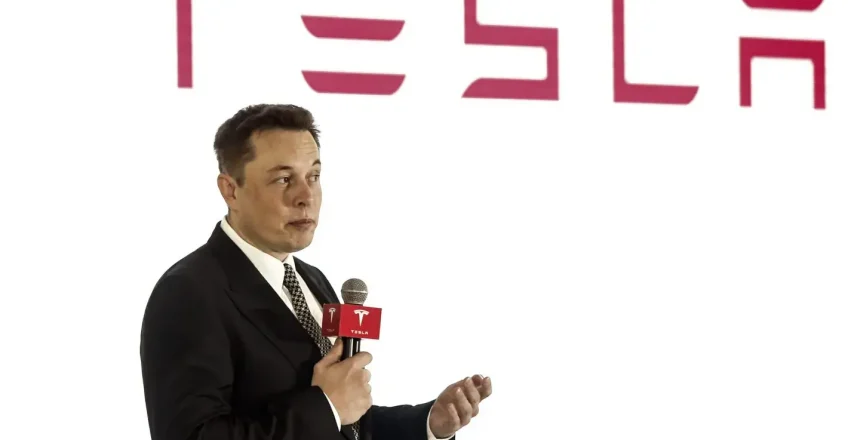
Tesla did not issue new guidance for 2025, instead signaling it would continue evaluating market conditions and adapt as needed. CEO Elon Musk warned of several “rough quarters” ahead, citing the expiration of tax incentives and global regulatory uncertainties.
Energy Storage and Services
While automotive revenues lagged, Tesla’s energy generation and storage business saw a year-over-year decrease but continued to play a key role in the overall portfolio. Energy storage deployments reached 9.6 GWh, reinforcing Tesla’s strategic push into grid-scale battery systems and renewable energy solutions. The company finished the quarter with $36.8 billion in cash, cash equivalents, and investments, supporting its resilience despite volatile market conditions.