In a week defined by dramatic swings and multifaceted pressures, Wall Street witnessed a tug-of-war between deep technology disruptions and geopolitical policy shifts. Concerns over a low‐cost Chinese AI model rattled investor confidence in key hardware stocks, while robust earnings reports from some tech giants partly offset these fears.
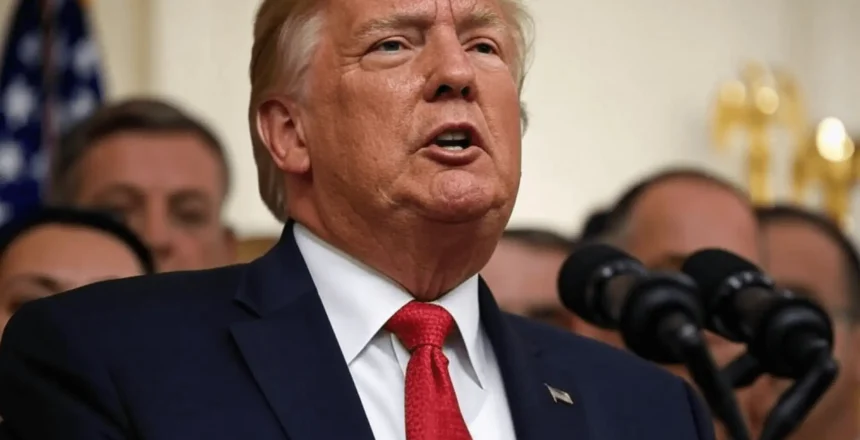
At the same time, tariff threats announced by President Trump added another layer of uncertainty to an already choppy market. As major indexes parried weekly losses—with the Dow edging toward record highs—the market’s near‐term volatility belies a longer-term resilience in the technology and data center sectors.
DeepSeek Disrupts the AI Hardware Landscape
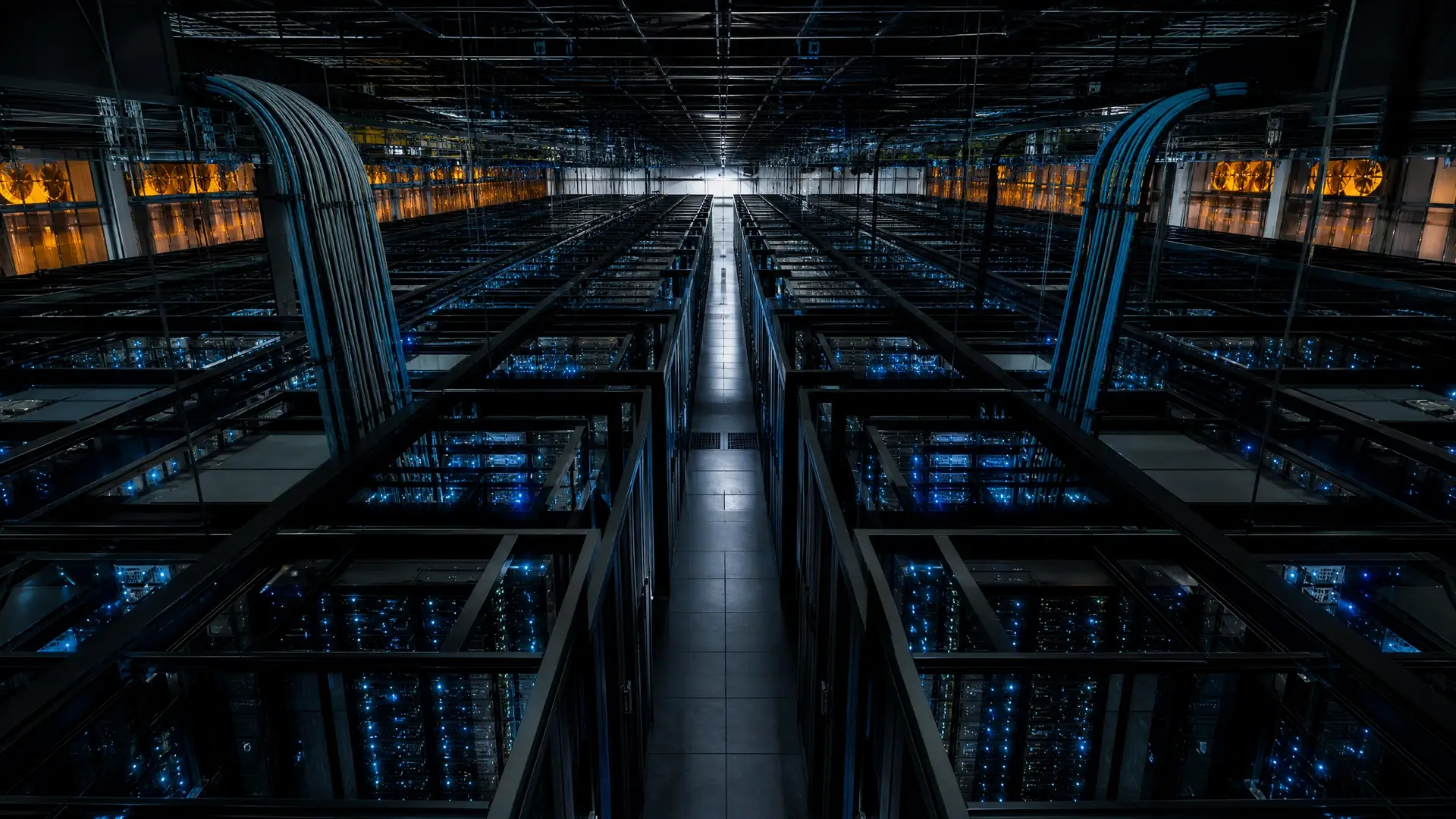
The recent emergence of DeepSeek—a Chinese startup touting an AI model built at a fraction of the cost and energy consumption of its U.S. rivals—sent shockwaves through the technology sector. On Monday, fears that this breakthrough could slash demand for high-powered data centers led to a sharp sell-off in AI hardware stocks. Notably, chipmaker Nvidia experienced a plunge of around 17%, triggering widespread concern among investors about the future competitiveness of U.S. AI infrastructure. Despite this initial panic, many AI hardware names managed to rebound, suggesting that the shock may be more of a temporary recalibration than a permanent disruption.
Industry analysts are divided on DeepSeek’s long-term impact. While some argue that the efficiency gains could redefine cost structures and energy needs for AI applications, others caution that increased efficiency will likely spur even greater adoption, thus keeping overall demand high. This nuanced debate underscores the complexity of translating breakthrough innovations into sustainable competitive advantages in a fiercely contested global market.
Earnings: Winners and Losers in the Tech Sector
Earnings season delivered a mixed bag that both reassured and rattled investors. IBM emerged as a standout, beating expectations with earnings that not only underscored its strength in AI growth but also fueled a breakout in share price. Boeing, facing headwinds from labor disputes and production challenges, signaled a cautious recovery by restarting production on key jet models—even as its Q4 losses widened dramatically to $5.90 per share.
Tesla, despite missing revenue views and reporting weak margins, managed to erase its weekly losses on the back of Elon Musk’s bold announcements about upcoming robotaxi and Optimus projects. Meanwhile, Apple’s fiscal Q1 results—marked by a modest 4% sales increase but a slight year-over-year decline in iPhone revenue—combined with Meta’s robust 50% earnings jump, painted a picture of divergence in consumer and enterprise tech sectors. Microsoft, ServiceNow, and UPS, among others, experienced notable setbacks, reflecting the uneven impact of a rapidly evolving technology landscape.
Tariff Turbulence: Trump’s Moves Shake Market Sentiment
Adding to the market’s list of challenges, President Donald Trump’s confirmation that tariffs would soon be imposed on Canada, Mexico, and China sent shockwaves through global trade channels. With proposed tariffs set at 25% for Canada and Mexico and 10% for China, investors quickly reacted with widespread selling—particularly in technology and energy stocks that are highly sensitive to global supply chain disruptions.
The U.S. dollar strengthened and Treasury yields spiked, as uncertainty over the economic impact of these punitive measures grew. Although the tariffs contributed to a 0.75% drop in the Dow, the broader market managed to finish the week with mixed results, underscoring a cautious sentiment on trade policy.
Broader Market Trends and Macroeconomic Signals
Amid these shocks, macroeconomic data provided a measure of stability. Despite early-week volatility, both the S&P 500 and Nasdaq managed to pare their losses, while the Dow inched closer to record highs—a testament to underlying investor confidence. U.S. personal consumption expenditures (PCE) rose by 0.3% last month, in line with expectations, even as economic growth moderated in the fourth quarter.
European markets, buoyed by record highs in technology shares and an accommodating monetary policy stance from the ECB, also painted a picture of cautious optimism. Meanwhile, safe-haven assets such as gold briefly surpassed the $2,800 mark, reflecting a persistent appetite for security in uncertain times.
Looking Ahead: Tech Investment in an Evolving Landscape
Despite the near-term turbulence, long-term trends remain robust. U.S. tech giants are not sitting idle: Microsoft has announced plans to invest a staggering $80 billion in AI infrastructure in 2025, while Meta continues to expand its capital expenditure despite mixed earnings guidance. Tesla’s ambitious roadmap for autonomous driving and robotics underscores the sector’s relentless push for innovation.
Analysts continue to emphasize that while efficiency breakthroughs like DeepSeek’s may temporarily disrupt market valuations, the underlying demand for compute power—and by extension, data center capacity—is expected to grow substantially in the coming years. Projections from sources such as the Lawrence Berkeley National Laboratory suggest that U.S. data centers could account for up to 12% of total electricity consumption by 2028, emphasizing the critical need for ongoing investment in energy-efficient, resilient infrastructure.
In essence, while the current market narrative is marked by volatility and uncertainty, especially in the wake of tariff threats and disruptive AI news, the long-term fundamentals of technology and data center sectors remain strong. Investors are advised to stay vigilant, as short-term reactions give way to a deeper structural transformation in the way technology is built, financed, and consumed.