चाबी छीनना
- Senate narrowly passed Trump’s “Big Beautiful Bill” with Vice President JD Vance casting the tie-breaking vote.
- The bill extends Trump’s 2017 tax cuts, eliminates federal taxes on tips and overtime, and increases military and border security spending.
- Major cuts to Medicaid, SNAP, and green energy incentives are included, with new work requirements for social safety net programs.
- The Congressional Budget Office projects the bill will add over $3 trillion to the national deficit and cause nearly 12 million Americans to lose health insurance by 2034.
- Public opinion is largely opposed to the bill, though some provisions are more popular than others.
- The bill now returns to the House, where it faces further hurdles before potentially becoming law.
Senate Passes Trump’s Big Beautiful Bill
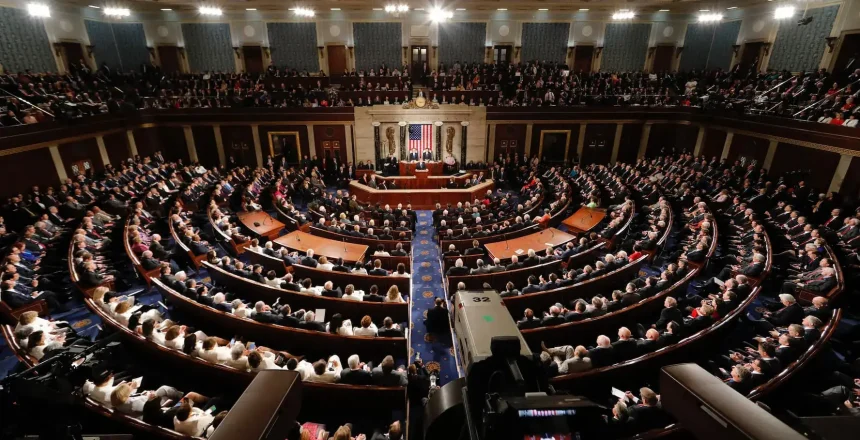
After a marathon 24-hour session marked by intense debate and a record-setting flurry of amendments, the U.S. Senate narrowly approved President Donald Trump’s sweeping “Big Beautiful Bill.” The final tally was 51-50. Vice President JD Vance casted the decisive vote after three Republicans—Susan Collins, Thom Tillis, and Rand Paul—joined all Democrats in opposition. This razor-thin margin underscores both the bill’s contentious nature and the deep divisions it has sown within Congress.
The legislation, officially titled the “One Big Beautiful Bill Act,” now heads back to the House of Representatives. There, Republican leaders face a tight deadline. They aim to deliver the bill to Trump’s desk by July 4. However, disagreements over spending and deficit impacts could cause delays.
What’s Inside Trump’s Big Beautiful Bill
The bill is a sprawling 940-page package that cements many of Trump’s campaign promises. They include:
- Tax Cuts and Relief: The legislation makes Trump’s 2017 tax cuts permanent, eliminates federal taxes on tips and overtime pay, and introduces tax relief for seniors and car buyers purchasing U.S.-made vehicles.
- Social Safety Net Overhaul: It imposes new work requirements on Medicaid and SNAP recipients, tightens eligibility, and shifts more responsibility to states. These changes are projected to cause 11.8 million Americans to lose health insurance by 2034.
- Military and Border Security Spending: The bill boosts military funding, including for missile defense and naval construction, and allocates billions for border wall expansion and enhanced immigration enforcement.
- Cuts to Green Energy and Social Programs: Billions in green energy tax incentives are rolled back, and funding for organizations like Planned Parenthood is eliminated except in rare cases.
- Debt Ceiling Increase: The federal debt ceiling is raised by $5 trillion to accommodate the increased spending and tax cuts.
Winners and Losers: Who Benefits, Who Pays
Winners:
- High-income earners and families with children benefit from permanent tax cuts and a higher child tax credit.
- U.S. car manufacturers and military contractors receive new funding and tax incentives.
- Seniors see temporary increases in standard deductions.
Losers:
- Medicaid and SNAP recipients face stricter eligibility and reduced benefits.
- Green energy industries lose vital tax incentives.
- The national deficit is projected to climb by more than $3 trillion over the next decade.
Public Reaction and Political Fallout
Polling indicates that a majority of Americans oppose the bill, with 55% against and only 29% in support. While some provisions, like tax relief on tips and overtime, are more popular, the deep cuts to social programs and the projected increase in uninsured Americans have sparked widespread concern. Democrats have used procedural tactics to delay passage and highlight the bill’s unpopular elements, while even some Republicans have expressed unease over its fiscal impact and policy direction.
Next Steps
With the Senate’s passage, the bill returns to the House for final approval. Republican leaders are under pressure to reconcile differences and act quickly, but internal dissent and public opposition could still derail the legislation. If passed, the bill would represent the most significant overhaul of domestic policy in years, reshaping the American social contract and fiscal landscape for a generation.