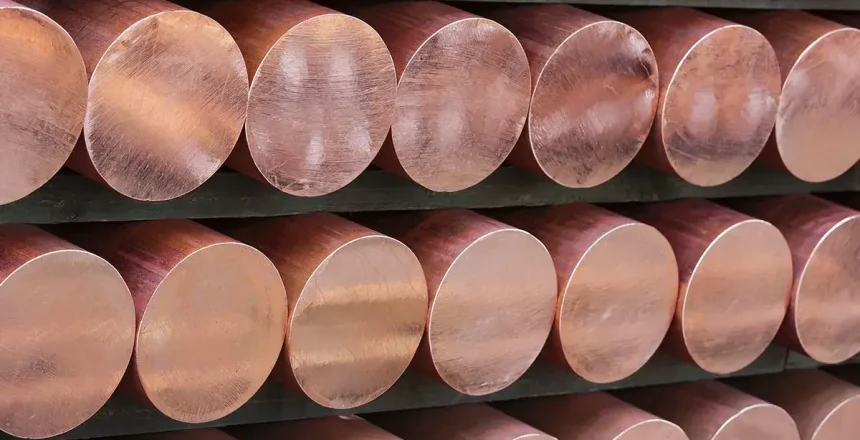
Copper demand is experiencing unprecedented growth as global electrification accelerates and artificial intelligence infrastructure expands worldwide. For investors seeking exposure to this critical metal without the complexities of direct commodity ownership, copper ETFs offer an accessible pathway to participate in the sector’s growth potential.
What Are Copper ETFs?
Copper ETFs are investment funds that provide exposure to copper mining companies and physical copper assets through exchange-traded funds that trade on major stock exchanges like individual stocks. These funds track copper mining sector performance through diversified portfolios of copper producers, offering investors access to the copper market without direct commodity ownership. In this sense, they are very similar to gold and silver ETFs.
The fund invests in companies primarily engaged in copper extraction, processing, and production activities across global markets. Unlike direct commodity investing, copper ETFs trade on the New York Stock Exchange and other major exchanges with real-time pricing throughout trading hours. This structure provides liquidity and transparency while eliminating the storage costs and logistical complexities associated with physical copper ownership.
These investment vehicles serve multiple purposes within investor portfolios. They offer exposure to a critical industrial metal that benefits from infrastructure spending, renewable energy deployment, and technological advancement. The funds investment objectives typically focus on tracking the performance of copper-related companies or commodity prices through systematic fair value pricing methodologies.
Top Copper ETFs in 2025
The copper ETF landscape features several distinct options, each with unique approaches to capturing copper market exposure. Here’s a comprehensive analysis of the leading funds:
| Fund | लंगर | YTD Return | Price | Expense Ratio | Assets (AUM) |
|---|---|---|---|---|---|
| Global X Copper Miners ETF | COPX | 14.25% | $18.93 | 0.65% | $850M |
| iShares Copper and Metals Mining ETF | ICOP | 14.31% | $29.52 | 0.47% | $425M |
| Sprott Copper Miners ETF | COPP | 10.05% | $22.68 | 0.65% | $180M |
| United States Copper Index Fund | CPER | 34.28% | $34.00 | 1.06% | $14.6M |
Global X Copper Miners ETF (COPX) represents the largest pure-play copper miners ETF, tracking global copper mining companies worldwide through a market capitalization-weighted index. The fund concentrates investments in companies that derive significant revenue from copper mining operations, providing direct exposure to copper price movements through equity ownership.
iShares Copper and Metals Mining ETF (ICOP) focuses on the copper and metals mining sector with the lowest expense ratio among major copper ETFs at 0.47%. This metals mining ETF seeks to track the performance of companies involved in copper mining and broader metals extraction, offering diversification across the metals mining sector asset class market.
Sprott Copper Miners ETF (COPP) stands as the only pure-play ETF combining copper miners and physical copper exposure through its unique structure. The fund maintains holdings in both mining companies and the Sprott Physical Copper Trust, providing hybrid exposure that balances equity volatility with commodity price tracking.
The performance data current to 2025 shows significant variation in market price returns across different fund structures. CPER’s outstanding performance reflects its futures-based approach, while the mining-focused ETFs demonstrate more moderate but consistent returns aligned with equity market performance.
Investment Risks and Considerations
Investing involves risk, and copper ETFs present specific considerations that investors must understand before committing capital. These funds face multiple risk factors that can significantly impact investment return and principal value over time.
Market Price vs. Net Asset Value Risks
ETF shares trade at market price, which may differ from the fund’s net asset value throughout trading sessions. While authorized participants typically keep these deviations minimal, periods of market stress can create significant premiums or discounts. The etf’s net asset value calculation relies on systematic fair value prices for portfolio holdings, particularly for certain foreign assets where local market closing prices may be delayed or unavailable.
International Investing Risks
International investing involves risks including foreign currency exchange rates fluctuations, political instability, and varying regulatory environments. Copper mining operations span global jurisdictions with different legal frameworks, tax structures, and operational requirements. Portfolio holdings denominated in foreign currencies create additional exposure to currency movements that can impact fund performance independent of copper prices.
Sector Concentration and Volatility
Copper ETFs concentrate investments in a narrow sector asset class market, increasing volatility compared to broad market indices. The commodity markets exhibit cyclical patterns driven by economic cycles, infrastructure spending, and technological shifts. This concentration means fund shares experience amplified price movements during both positive and negative market conditions.
Expense Ratios and Transaction Costs
All copper ETFs charge management fees that reduce overall returns over time. The current prospectus management fee ranges from 0.47% to 1.06% annually across major funds. Additionally, transaction costs from portfolio rebalancing, currency hedging, and extraordinary expenses incurred by fund operations further impact net returns.
Copper Market Fundamentals and Outlook
The copper market is experiencing a structural transformation driven by multiple demand catalysts that support long-term price appreciation potential. Understanding these fundamentals is crucial for evaluating copper ETF investment prospects.
Supply-Demand Dynamics
Copper markets face emerging supply deficits as existing mines mature while new project development faces increasing challenges. Major copper deposits require years of development and substantial capital investment, creating supply inelasticity that supports price stability during demand growth periods.
Worldwide metal prices reflect these supply constraints, with copper achieving record-setting price rallies in 2024 before experiencing tariff-related volatility. The structural supply situation suggests continued price support despite short-term fluctuations driven by economic data and policy changes.
Electrification and Energy Transition
Electric vehicle production represents one of the most significant demand drivers, with each electric vehicle requiring approximately three times more copper than traditional gasoline-powered vehicles. This transformation creates sustained demand growth that extends beyond cyclical economic patterns.
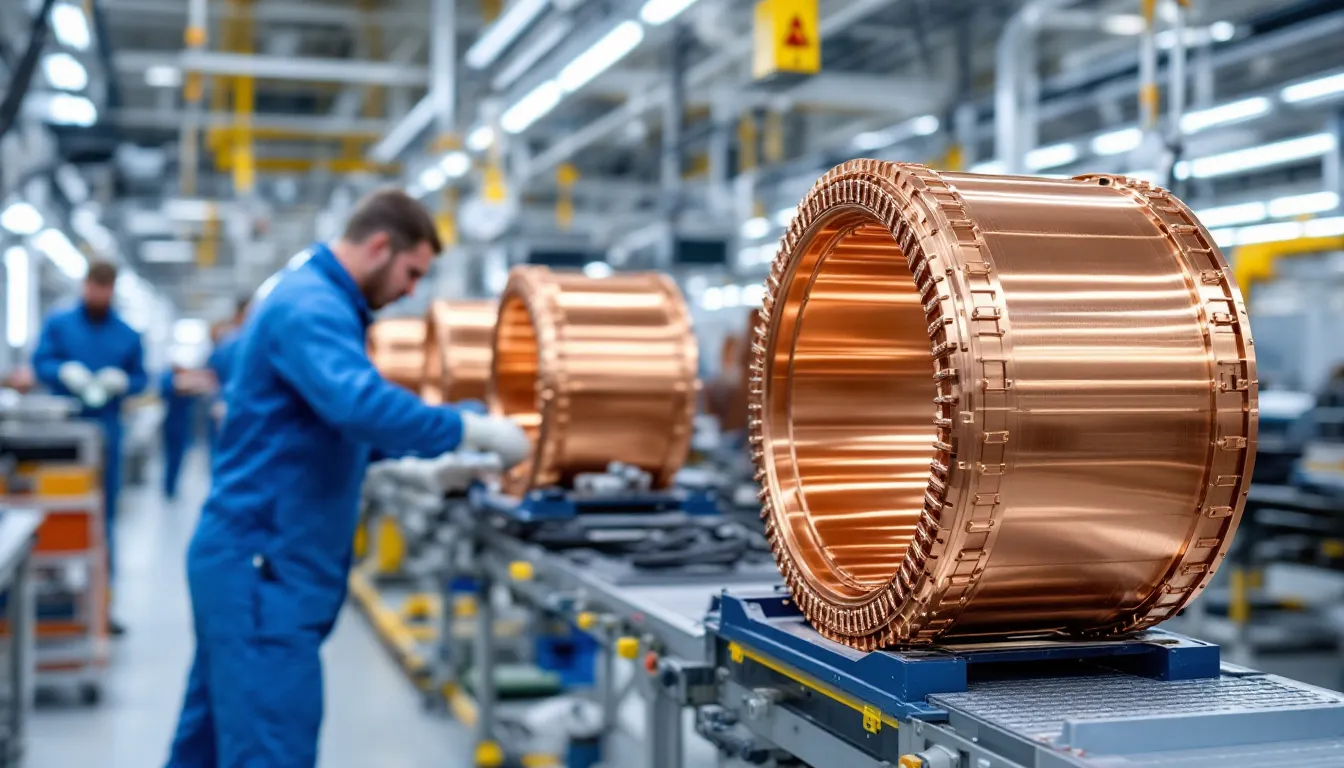
Renewable energy infrastructure including wind turbines, solar installations, and energy storage systems requires substantial copper content for electrical components and power transmission. The global energy transition timeline suggests decades of sustained demand growth from these applications.
Grid modernization and energy storage deployment create additional demand layers as electrical infrastructure expands to accommodate renewable energy integration and electric vehicle charging networks. These infrastructure investments require significant copper-intensive components that support long-term demand projections.
Key Demand Drivers
Artificial Intelligence Infrastructure
Data center expansion for AI and cloud computing applications represents an emerging demand catalyst with substantial growth potential. AI infrastructure requires significant electrical capacity and cooling systems that consume considerable copper content per facility.
Projections indicate six-fold increases in copper consumption as global electricity demand doubles to support expanding digital infrastructure. This technological transformation creates sustained demand pressure that complements traditional industrial applications.
Defense and Aerospace Applications
Defense sector requirements for advanced electronics and military systems provide additional demand stability through government spending programs. These applications often require high-grade copper products with specifications that command premium pricing.
Aerospace industry growth, including commercial aviation expansion and space technology development, creates specialized copper demand for electrical systems and propulsion components.
Infrastructure and Construction
Global infrastructure spending drives traditional copper demand through construction, plumbing, and electrical applications. Emerging markets urbanization and industrialization processes require significant copper-intensive infrastructure development that supports baseline demand levels.
Economic value creation through infrastructure investment typically includes substantial copper content, from building electrical systems to transportation networks and industrial facilities.
अक्सर पूछे जाने वाले प्रश्नों
What is a copper ETF?
A copper ETF is an exchange-traded fund that provides investors with exposure to copper prices or copper-related companies, usually through either futures contracts or mining stocks.
How do copper ETFs work?
Copper ETFs may track the price of copper directly through futures contracts or invest in a basket of copper mining companies. Some hybrid funds combine both approaches for diversified exposure.
What is the difference between physical copper ETFs and copper mining ETFs?
- Physical (or futures-based) copper ETFs aim to mimic the spot price of copper using copper futures contracts.
- Copper mining ETFs invest in companies engaged in copper exploration, production, and processing. These can be more volatile since stock performance is influenced by both metal prices and company-specific factors.
Why invest in copper ETFs instead of physical copper?
Copper ETFs eliminate challenges of physical ownership such as storage, insurance, and transportation. They also provide liquidity and can be traded like any stock.
What fees are associated with copper ETFs?
Expense ratios vary but tend to range from 0.35% to 0.75% per year. Futures-based funds may have additional costs associated with rolling futures contracts.
What are the most widely traded copper ETFs?
Some examples include:
- Global X Copper Miners ETF (COPX): Focused on copper mining companies worldwide.
- United States Copper Index Fund (CPER): Tracks copper futures prices.
- iPath Series B Bloomberg Copper Subindex ETN (JJC): Offers futures-based exposure to copper.
How volatile are copper ETFs compared to gold or silver ETFs?
Copper ETFs tend to be more volatile because copper is tied closely to industrial demand, making them more cyclical than precious metals, which are often seen as safe-haven assets.
How can I invest in copper ETFs?
They can be purchased through most online brokerages or financial advisors, just like stocks. Some platforms also offer commission-free ETF trading.
Can copper ETFs be held in retirement accounts like IRAs?
Yes. Copper ETFs can generally be included in retirement accounts such as IRAs and 401(k)s, offering tax-deferred or tax-free growth depending on the account type.