Silver ETFs have emerged as an increasingly popular investment vehicle for investors seeking exposure to precious metals without the complexities of physical ownership. As silver reached over $40 per ounce in 2025—its highest level since 2011—many investors are discovering the benefits of investing in silver through exchange-traded funds rather than buying physical silver directly.
What Are Silver ETFs and How They Work
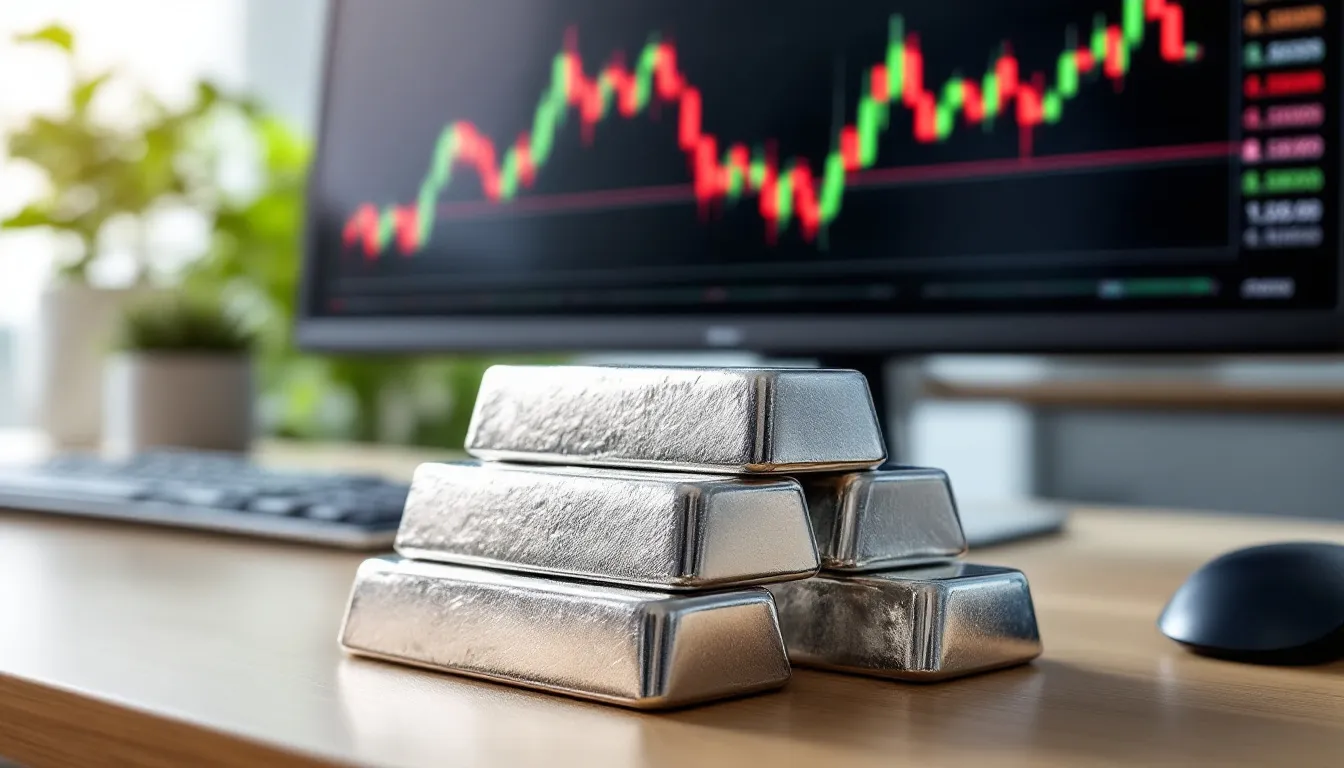
Silver ETFs are investment funds that trade on stock exchanges and provide investors with exposure to silver prices or silver mining companies. These securities offer a convenient way to invest in silver without the need for physical ownership, storage, or security concerns that come with holding actual silver bullion.
The fundamental mechanism behind silver ETFs involves tracking either the spot price of silver or the performance of companies involved in silver mining and production. Most silver ETFs operate by holding physical silver in secure vaults. In such cases, the fund shares represent a proportional ownership of that underlying silver. The net asset value of these funds fluctuates based on the current market price of silver, minus management fees and other expenses.
Alternatively, silver mining ETFs invest in shares of companies that mine, produce, or explore for silver. This distinction is crucial for investors to understand. The difference in investment methodology affects both the risk profile and potential returns of their investment.
One of the primary advantages of silver ETFs over physical silver ownership is the elimination of storage costs, insurance requirements, and security concerns. Investors can trade ETF shares during market hours just like any other stock, providing liquidity that physical silver cannot match. Additionally, silver ETFs typically have lower transaction costs compared to buying and selling physical silver.
When compared to gold ETFs, silver exhibits higher price volatility due to its smaller market cap and significant industrial demand. This volatility can present both opportunities for greater returns and increased risk of losses. This makes silver ETFs suitable for investors with appropriate risk tolerance.
Types of Silver ETFs Available
The silver ETF market offers several distinct types of funds, each designed to meet different investment objectives and risk preferences. Understanding these variations is essential for selecting the right fund for your portfolio.
Physical Silver ETFs represent the most direct way to gain silver exposure through fund shares. These ETFs hold actual silver bullion in secure vaults, with each share representing a fractional ownership of the fund’s silver holdings. The fund’s market value closely tracks the spot price of silver, providing investors with returns that mirror silver’s price movements.
Silver Mining ETFs like SLVR take a different approach by investing in shares of companies involved in silver mining and production. These funds offer leveraged exposure to silver prices, as mining company stocks often move more dramatically than the underlying metal price. However, they also introduce additional risks related to company-specific factors and operational challenges.
Currency-Hedged Silver ETF Options are available for international investors who want to minimize currency risk when investing in USD-denominated silver funds. These options help protect against fluctuations in exchange rates that could impact investment returns for non-US investors.
Hybrid Funds represent an emerging category that combines physical silver holdings with equity investments in silver mining companies. This approach aims to provide both direct silver exposure and the potential for amplified returns through mining stock investments.

Costs and Fees
Understanding the cost structure of ETFs is crucial for evaluating their impact on long-term investment returns. The total expense ratios (TER) for silver ETFs typically range from 0.19% to 0.75% annually. This represents the percentage of your investment that goes toward fund management and operations each year.
These management fees cover various expenses including fund administration, silver storage and insurance costs, and the fund manager’s compensation. For physical silver ETFs, storage and insurance represent significant ongoing expenses. This is because the fund must maintain secure vault facilities and comprehensive insurance coverage for the silver holdings.
A specific example is the SLVR ETF, which carries total annual operating expenses of 0.65%. This means that for every $10,000 invested, investors pay $65 per year in fees. While this may seem modest, these costs compound over time and can significantly impact long-term returns.
Different ETF providers employ varying fee structures. Some funds may have lower management fees but higher trading costs, while others might offer more comprehensive services at slightly higher expense ratios. It’s important to evaluate the total cost of ownership, including any transaction costs associated with buying and selling fund shares.
The impact of fees on investment results becomes more pronounced over longer holding periods. For example, a 0.5% difference in annual fees can result in thousands of dollars in additional costs over a 10-year investment period. Investors should carefully compare fee structures and consider how these costs align with their investment timeline and objectives.
| ETF Type | Typical TER Range | Key Cost Components |
|---|---|---|
| Physical Silver ETFs | 0.19% – 0.60% | Storage, insurance, management |
| Silver Mining ETFs | 0.55% – 0.75% | Research, management, trading |
| Hybrid Funds | 0.45% – 0.70% | Combined costs of both approaches |
Popular Silver ETFs to Consider
Several silver ETFs have gained prominence among investors, each offering unique characteristics and investment approaches. Understanding the specific features of these funds helps investors make informed decisions based on their investment goals and risk preferences.
SLVR ETF (Sprott Silver Miners) tracks the Nasdaq Sprott Silver Miners Index. The fund focuses on companies primarily engaged in silver mining activities. This fund requires a minimum allocation of 80% to silver-related securities, ensuring concentrated exposure to the silver sector.
iShares MSCI Global Silver and Metals Miners ETF (SLVP) provides broader exposure to global silver and metals mining companies. This fund offers geographic diversification across multiple countries including Canada, the United States, Australia, Mexico, and other silver-producing regions.
Investment Considerations and Risks
Silver ETFs carry several important risks that investors must understand before making investment decisions. The higher volatility compared to gold stems from silver’s smaller market capitalization and significant industrial usage. This creates more dramatic price movements in response to economic conditions.
Currency risk affects international investors purchasing USD-denominated ETFs. Fluctuations in exchange rates between the investor’s home currency and the US dollar can impact investment returns, either positively or negatively, independent of silver price movements.
Premium and discount to net asset value considerations become important when trading ETF shares. While most ETFs trade close to their NAV, market conditions can create temporary divergences that affect the price investors pay or receive when buying or selling shares.
Market risks include the inherent volatility of commodity markets and the possibility of substantial loss of principal value. Silver prices can decline sharply during economic downturns or when investor sentiment shifts away from precious metals, potentially resulting in significant losses for ETF shareholders.
Specific risks related to commodity markets include storage costs, insurance requirements, and potential disruptions to physical silver supplies. For mining-focused ETFs, additional risks include operational challenges, environmental regulations, geopolitical factors affecting mining operations, and company-specific financial performance.
Investors should also consider counterparty risks associated with fund management, custodial arrangements, and the financial stability of ETF providers. While these risks are generally low for established ETF providers, they represent additional considerations beyond the underlying silver exposure.
The correlation between silver prices and other asset classes can change over time,. This can potentially reduce the diversification benefits that investors seek from precious metals exposure. During periods of market stress, correlations between different asset classes often increase, limiting the hedge value of silver investments.
How to Invest in Silver ETFs
Investing in ETFs follows the same process as purchasing any other publicly traded security. Investors can trade these funds like regular stocks through both online discount brokers and full-service brokerage platforms during normal market hours.
Most major brokerage firms offer access to ETFs through their standard trading platforms. This includes both traditional brokerage houses and modern robo-advisors that provide automated portfolio management services. The widespread availability makes ETFs accessible to investors with various account sizes and investment preferences.
Consideration of brokerage commissions and transaction costs is important when investing in ETFs. Many brokers now offer commission-free ETF trading, which can significantly reduce the cost of building a position over time. However, investors should verify commission structures and any potential account fees that might apply.
Portfolio allocation strategies for silver ETF investments typically recommend limiting precious metals exposure to 5-10% of a total investment portfolio. This allocation provides meaningful diversification benefits while limiting the impact of precious metals volatility on overall portfolio performance. A financial professional can help determine appropriate allocation levels based on individual circumstances and investment objectives.
Investors should also consider the timing of their investments within the broader market cycle. While attempting to time the market perfectly is generally not recommended, understanding current market conditions and silver’s position within economic cycles can inform investment decisions.
Account types matter when investing in ETFs. Tax-advantaged accounts like IRAs and 401(k)s can provide tax benefits for precious metals investments, while taxable accounts offer more flexibility but may incur tax consequences on gains and dividends.
अक्सर पूछे जाने वाले प्रश्नों
What is a silver ETF?
A silver ETF is an exchange-traded fund that provides investors with exposure to silver prices or silver-related companies without requiring direct ownership of physical silver.
How do silver ETFs work?
Most silver ETFs either hold actual silver bullion in secure vaults or invest in shares of companies involved in silver mining and production. Their value tracks the spot price of silver or the performance of related equities, minus fees and expenses.
What is the difference between physical silver ETFs and silver mining ETFs?
- Physical silver ETFs hold real silver bullion, closely mirroring silver’s spot price.
- Silver mining ETFs invest in silver mining companies, often resulting in higher volatility and potential returns, but also added business and operational risks.
What are typical fees for silver ETFs?
Annual fees, called total expense ratios (TER), typically range from 0.19% to 0.75%. Physical silver ETFs usually have costs related to storage and insurance, while mining ETFs incur expenses tied to research, management, and trading.
How do fees impact returns?
Even small fee differences compound significantly over time. A 0.5% annual difference could cost thousands of dollars in returns over a decade.
Which silver ETFs are most popular?
Examples include:
- SLVR ETF: Focused on silver mining companies.
- iShares MSCI Global Silver and Metals Miners ETF (SLVP): Broader geographic exposure to global silver and metals miners.
Are silver ETFs riskier than gold ETFs?
Yes. Silver tends to be more volatile than gold due to its smaller market size and heavy industrial demand, which makes price swings more extreme.
What are the main risks of silver ETFs?
- Market volatility and potential sharp price declines
- Business and operational risks for mining-focused ETFs
- Currency risk for international investors
- Temporary premiums or discounts to net asset value (NAV) when trading
Do silver ETFs always track the spot price of silver perfectly?
Not always. While physical ETFs closely track silver prices, factors such as management fees, market sentiment, and trading activity can create temporary price divergences.
How do I buy ETFs?
They can be purchased through any standard brokerage account, similar to regular stocks. Many platforms now offer commission-free ETF trading.
Can I hold silver ETFs in a retirement account like an IRA?
Yes. Many silver ETFs can be held in tax-advantaged accounts such as IRAs or 401(k)s, which can defer or reduce taxes on gains.
Is investing in silver ETFs better than buying physical silver?
It depends on your goals. Silver ETFs provide liquidity, lower costs, and ease of trading, while physical silver offers tangible ownership but comes with storage and insurance costs.