चाबी छीनना
- The official unemployment rate rose to 4.3% in August, marking the highest level since 2021.
- Job growth was exceptionally weak, with only 22,000 new positions added across the U.S. economy.
- Sectors like healthcare saw slight gains, but losses in government, manufacturing, and resource industries offset these increases.
- A growing proportion of unemployed individuals are long-term jobless, while labor force participation remains stagnant.
- The cooling labor market has intensified Federal Reserve rate cut expectations and revived debate over current economic policy impacts.
August Unemployment Report
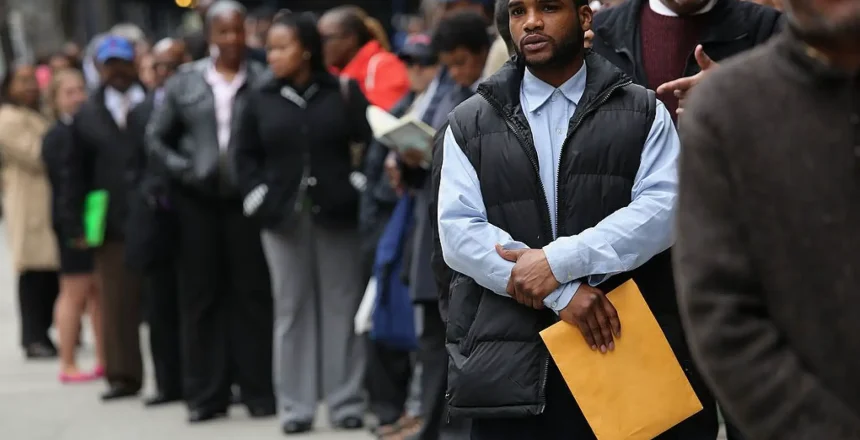
August’s unemployment report signals a pivotal shift in labor market conditions as the official jobless rate edges up to 4.3%. This represents the highest unemployment reading since October 2021 and confirms a stalling expansion, coming after months of sluggish hiring. The national workforce saw virtually no improvement in nonfarm payroll employment, with just 22,000 jobs added since the July report. These figures came in far below analyst expectations and are indicative of growing caution among businesses regarding future prospects.
Sectors Driving Weak Job Growth
The job creation landscape is uneven. Healthcare and education registered modest gains, adding over 46,000 jobs—a bright spot in an otherwise subdued report. The leisure and hospitality, retail, and transportation sectors contributed smaller increases.
However, these advances were negated by notable payroll contractions in areas deeply affected by broader economic trends, such as government (-16,000 jobs), manufacturing (-12,000 jobs), and mining and resource extraction. Policy uncertainty, especially around trade and tariffs, has disproportionately affected hiring in industries sensitive to global market dynamics.
Long-term Unemployment and Labor Participation
Another significant trend is the mounting number of Americans facing sustained unemployment. August saw 1.9 million classified as long-term unemployed. This represents roughly 26% of all jobless individuals—the highest long-term joblessness rate since 2016. The labor force participation rate has barely budged at 62.3%, mirroring a broader stagnation in workforce dynamics over the past year. Part-time and discouraged workers comprise an increasing share of the unemployment count, highlighting underlying weaknesses not captured by the headline rate alone.
Policy Implications and Economic Outlook
The August report is not only a snapshot of present-day labor market distress; it also carries weight for policymakers. With employment growth well below trend and nearly a quarter of jobseekers facing six months or more without work, pressure is mounting on the Federal Reserve to adjust interest rates.
Additionally, criticism continues to surround current trade and immigration policies, which analysts argue have dampened economic momentum and complicated pathways for recovery. Market participants now widely anticipate a rate cut as a direct response to these unfolding labor market cracks.
Why August’s Unemployment Matters
The August unemployment report reveals an economy grappling with rising joblessness and waning job growth momentum. Policymakers and market observers should heed these signals as they point to broader systemic challenges—not only in the immediate job market, but also in the foundations for future growth. The weeks ahead will be pivotal as responses are formulated, with the focus falling squarely on stabilizing employment and restoring stronger economic vitality.