Wichtigste Erkenntnisse
- Federal Reserve Chair Jerome Powell warned that the new tariffs could lead to higher inflation and slower economic growth.
- The economic fallout is expected to be more severe than previously thought, raising concerns over rising unemployment and persistent price pressures.
- Global markets and businesses are reacting strongly, with stock indexes plunging and firms reconsidering investments.
Powell’s Warning
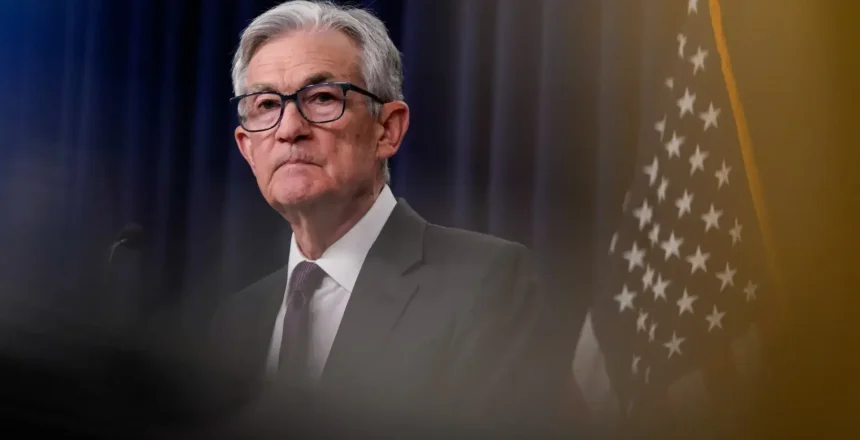
On April 4, 2025, Federal Reserve Chair Jerome Powell delivered a cautionary message during a business conference. He warned that the recently imposed tariffs are likely to have a larger-than-expected impact on the U.S. economy. Powell pointed out that these measures could drive up inflation and slow down economic growth, creating a challenging environment for both consumers and businesses. His remarks underscored the uncertainty surrounding the future economic outlook, particularly with risks of rising prices and potential job losses.
Economic Context
The backdrop for Powell’s warning is a rapidly escalating trade conflict. Just days before his speech, the administration announced a series of sweeping tariffs on imports, prompting a fierce response from major trading partners. This move has not only increased the average tariff rate significantly but also raised concerns about retaliatory measures from other countries. The resulting uncertainty has rattled global markets, with major U.S. stock indexes falling sharply in the wake of the announcement.
Policy Implications
Powell’s comments highlight a delicate balancing act for policymakers. On one hand, the tariffs are expected to create supply shocks that could lead to a temporary spike in inflation. On the other, they might also dampen economic activity, risking a slowdown that could affect employment. With inflation pressures mounting and growth prospects dimming, the Federal Reserve now faces the challenge of adjusting its policy stance carefully. Powell stressed that the Fed will monitor the situation closely and remain patient, preferring to wait for clearer data before making any significant moves on interest rates.
Market and Business Reactions
Financial markets responded immediately to Powell’s caution. Following the tariff announcements and his subsequent warning, U.S. stock prices saw a steep decline, with major indexes dropping significantly within days. This market turmoil reflects deep-seated concerns about the overall economic impact of the trade conflict. Meanwhile, businesses are bracing for the worst, as the new tariffs disrupt supply chains and increase costs. Companies across various sectors—from manufacturing to agriculture—are now rethinking their investment and hiring plans in response to the heightened uncertainty.