Wichtigste Erkenntnisse
- Boeing awarded U.S. Air Force’s Next Generation Air Dominance (NGAD) fighter jet contract.
- Boeing’s shares increased by over 5%, while Lockheed Martin’s shares fell approximately 6%.
- The NGAD contract is initially valued at over $20 billion, potentially growing to hundreds of billions over the program’s lifespan.
- This deal significantly boosts Boeing’s defense segment after recent struggles.
- Lockheed Martin faces a setback; Northrop Grumman remains competitive elsewhere.
Boeing Wins Landmark NGAD Contract
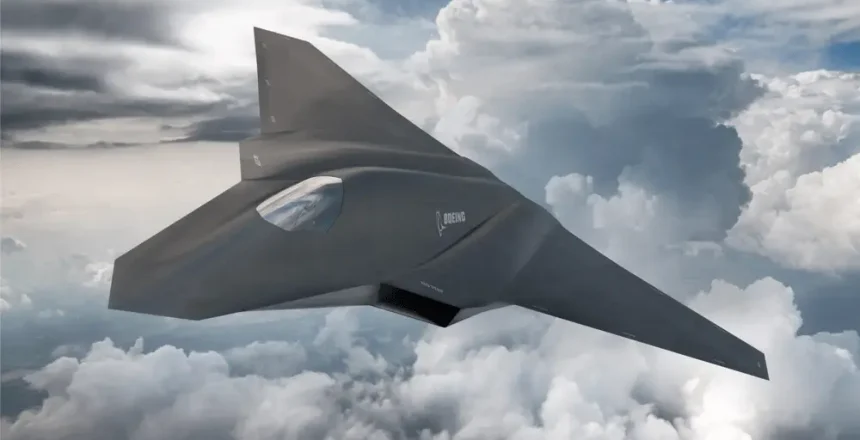
On Friday, Boeing secured the highly coveted U.S. Air Force’s Next Generation Air Dominance (NGAD) fighter jet contract, outpacing competitor Lockheed Martin. President Trump announced Boeing’s new sixth-generation fighter jet, designated the “F-47,” which will eventually replace Lockheed’s F-22 Raptor. The NGAD fighter is expected to feature advanced stealth capabilities, sophisticated sensors, and engines, anchoring a broader networked combat system.
Initially valued at more than $20 billion, the NGAD program holds immense future financial potential, potentially amounting to hundreds of billions of dollars over several decades. Boeing’s victory marks a substantial industry shift, disrupting Lockheed Martin’s recent dominance in producing advanced Air Force fighter aircraft.
Market Reaction and Investor Sentiment
The announcement sent Boeing’s stock soaring by more than 5%, reaching multi-month highs, as investors welcomed this critical strategic win. Conversely, Lockheed Martin saw its stock price drop around 6%, signaling investor concerns about losing significant future revenue opportunities. Analysts highlighted the importance of this contract to Boeing, seeing it as a stabilizing factor for its defense business after previous struggles and a way to sustain vital fighter jet production capabilities into the late 2020s and beyond.
Strategic Significance for Boeing
The NGAD contract comes at a crucial juncture for Boeing, following setbacks in both commercial and defense sectors, including cost overruns and winding-down fighter jet production lines. With its F/A-18 Super Hornet program ending and uncertainty around the F-15EX’s domestic future, securing NGAD is viewed as a critical revival of Boeing’s military aircraft segment, particularly at its St. Louis facility. The project offers Boeing a cornerstone for its defense division, ensuring employment stability and retaining technical expertise for decades.
Impact on Lockheed Martin
The NGAD loss is a significant blow for Lockheed Martin, which previously dominated the U.S. fighter jet landscape with its F-22 and F-35 programs. Losing this pivotal contract may compel Lockheed Martin to double down on its existing platforms, notably the F-35, expanding international sales and enhancements. The company’s recent exclusion from the Navy’s next-generation fighter competition further highlights challenges in Lockheed’s fighter-jet division, necessitating strategic pivots toward other defense sectors such as missiles and space.
Northrop Grumman’s Strategic Positioning
Northrop Grumman notably opted out of bidding for the Air Force’s NGAD contract, instead prioritizing its B-21 Raider stealth bomber and other defense technologies. However, Northrop remains actively competitive, notably in the Navy’s F/A-XX next-generation carrier-based fighter competition. Boeing’s NGAD win does not directly disadvantage Northrop; rather, it allows the company to focus resources effectively on ongoing strategic defense initiatives.