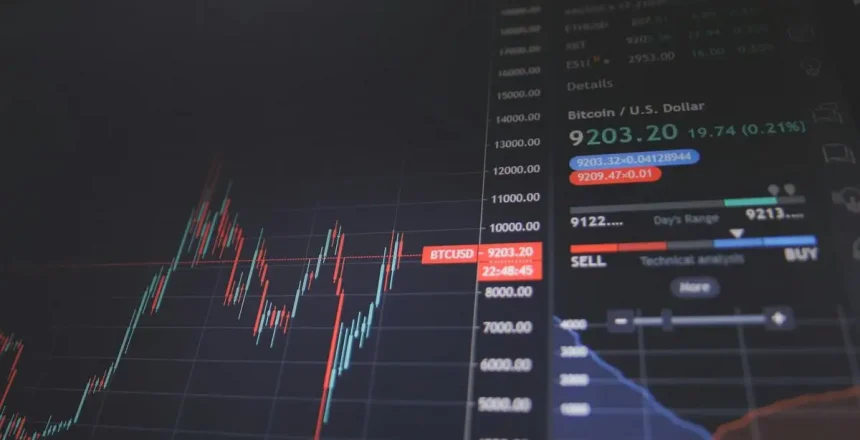
Bid vs ask prices are the heart of stock market quotes. They represent the real-time price at which trades happen.
Bid: This is the highest price a buyer is willing to pay for a security. It reflects the demand side, showing what buyers are prepared to offer.
Ask: The ask price is the lowest price a seller is ready to accept. It represents the supply side, indicating what sellers want for their assets.
Bid and ask prices form the foundation of trading. They are crucial for understanding market dynamics and executing trades effectively. The difference between these prices is known as the bid-ask spread. It’s an important measure of transaction cost and market liquidity. A narrower spread typically means higher liquidity, while a wider spread suggests lower liquidity.
Understanding these concepts is vital for retail traders navigating stocks or options. Cheddar Flow provides real-time options flow tracking, helping traders grasp market movements and refine their strategies. By focusing on bid and ask, traders can gain insights into how prices are set and why they matter in trading.
How Bid vs Ask Work in the Market

Bid and ask prices form the backbone of live financial markets. Buyers place orders at the bid price, the highest amount they’ll pay. Sellers list assets at the ask price, the lowest amount they’ll accept. These prices show real-time market demand and supply.
Market makers play a vital role by continuously quoting both bid and ask prices. They provide liquidity and help trades execute smoothly, even during market volatility.
Retail traders typically buy at the ask and sell at the bid. When these prices match, transactions happen. This interaction demonstrates efficient trade execution in action.
Bid and ask sizes matter too. They show how many shares are available at each price point. Larger sizes usually indicate better liquidity, meaning you can execute trades more easily without moving the price significantly.
Understanding how bid and ask work helps you interpret market quotes effectively. We at Cheddar Flow enhance this knowledge by providing real-time options flow tracking, letting you see these processes unfold live. This gives you the tools to make better decisions with current market data.
What Affects the Bid vs Spread
The bid-ask spread isn’t a fixed number. It changes based on several factors that impact pricing in the market. Liquidity plays a big role here. Highly traded securities often have narrower spreads. This means you can buy or sell them easily without affecting the price much. On the flip side, assets with lower trading volume or higher volatility tend to have wider spreads.
Market conditions like economic news or company events can also cause spreads to fluctuate. When there’s a lot of uncertainty or overall market volatility, spreads might widen. This reflects the risk perceived by traders.
Supply and demand imbalances are another key factor. If more buyers are chasing a security than sellers, the spread might tighten. Conversely, if sellers outpace buyers, the spread could widen.
Trading activity influences spread size too. Busy trading periods may lead to tighter spreads due to increased liquidity. During quieter times, spreads might widen as trading volume drops.
Understanding these dynamics helps you see why the bid-ask spread is an indicator of market health and trading costs. Here’s a quick rundown of the main factors affecting the spread:
- Liquidity: More traded assets have narrower spreads.
- Volatility: Higher volatility can lead to wider spreads.
- Market Conditions: Economic news and events impact spread size.
- Supply and Demand: Imbalances affect how wide or narrow a spread is.
- Trading Activity: More activity usually means tighter spreads.
Why the Bid Ask Spread Matters for Traders
Bid and ask prices affect your trading decisions more than you might think. They represent an implied cost, influencing how much it costs to make a trade and how quickly you can execute it. Market makers profit from this spread by buying at the bid and selling at the ask, which impacts retail traders by affecting liquidity and transaction costs.
The last traded price is different from the current bid and ask prices. While the last price shows past transactions, the bid and ask give you real-time market conditions. Changes in liquidity and order flow can shift these quotes, making it essential to understand how they work.
Narrow spreads mean faster, cheaper trades. Tight spreads suggest high liquidity, allowing you to buy or sell quickly without significant price changes. Wide spreads, however, signal lower liquidity and lead to higher transaction costs. This difference can affect your bottom line, especially if you’re trading frequently.
Understanding these aspects helps you make informed choices. Cheddar Flow enhances your trading by offering real-time options flow tracking, helping you see these dynamics live. With this knowledge, you can navigate market quotes more effectively and refine your strategies with the confidence that comes from using great tools.