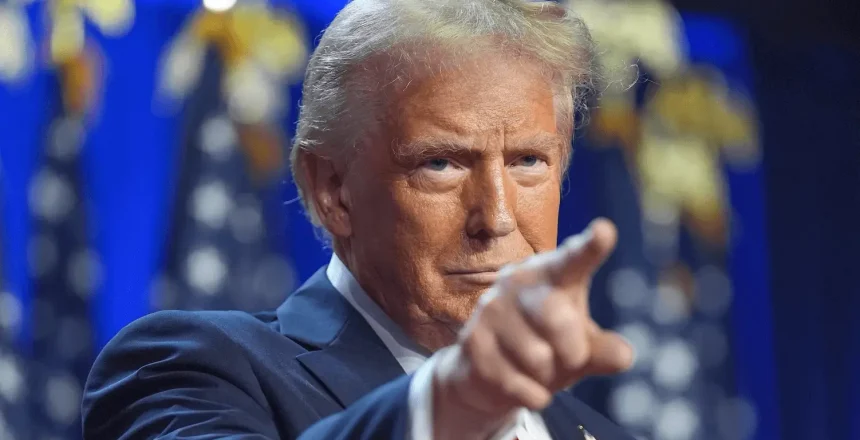
During this period, U.S. and global markets were rocked by a series of dramatic moves driven by President Donald Trump’s evolving tariff strategy. After days of sharp selloffs—sparked initially by aggressive tariff measures known as “Liberation Day” and subsequent retaliatory actions—markets experienced a startling midweek turnaround.
Key U.S. stock indexes registered a historic rebound on April 9 after Trump announced a 90‑day pause on tariffs for most trading partners (with China excluded, where tariffs were raised to 125%), only to see some of those gains partially retraced on April 10 as uncertainty persisted. By the close on April 11, major U.S. indexes ended the week higher, although year‑to‑date losses remained substantial.
Early Week Selloffs
Following days of sustained declines attributed to the impact of steep tariffs and retaliatory measures, the markets had been reeling. Earlier in the week, sentiment was extremely negative—with notable declines in the Nasdaq, S&P 500, and Dow—reflecting widespread fears of a deepening trade war and a potential recession.
Historic Rally on April 9
In a dramatic shift, President Trump announced via social media a 90‑day pause on tariffs for most countries. This announcement triggered one of the largest single‑day rallies since World War II:
- The S&P 500 surged 9.5% in one day.
- The Nasdaq jumped 12.2%, marking its strongest gain since the dot‑com era.
- The Dow Jones Industrial Average added nearly 3,000 points.
(Sources: Reuters, AP News, WSJ)
Mixed Session on April 10 and 11:
On April 10, uncertainty about the durability of the tariff pause led to a partial retracement of earlier gains, with declines of roughly 1–2% on the S&P 500 and Nasdaq. By April 11, however, reassurance from Fed officials and better-than-expected economic data helped push all major indexes higher at the close. Weekly gains were notable—for example, some reports noted the Nasdaq ended the week up around 7.3% and the S&P 500 up by roughly 5–7%—even though year‑to‑date the S&P 500 remains down about 8–9% and the Nasdaq by over 13%.
Sector and Company Performance
- Technology and Consumer Discretionary:
These sectors were among the hardest hit during the initial selloffs but led the rebound on April 9. The “Magnificent Seven” tech stocks, which had been battered earlier in the week, recovered dramatically, helping lift the Nasdaq. - Financials and Industrials:
Strong earnings from major banks like JPMorgan Chase contributed to market stabilization. Blue‑chip names such as Apple and Delta Air Lines also rebounded, despite ongoing concerns about the effects of tariffs on global supply chains. - Small Caps and Growth Stocks:
The Russell 2000 and growth‑oriented indices saw modest recoveries, although many remain below key moving averages that signal continued caution among investors.
Global Reactions
Asia
- Japan:
After a severe selloff that included record declines and the triggering of trading curbs, the Nikkei 225 rebounded strongly—recovering more than 1,800 points on April 8. - South Korea and Taiwan:
The KOSPI fell over 5%, while Taiwan’s major indices suffered significant losses amid fears of disruptions in the high‑tech and semiconductor sectors.
Europe
- European Markets:
European indexes such as the FTSE 100, STOXX 600, and Spain’s IBEX 35 recorded steep declines. For instance, the FTSE 100 dropped nearly 5% on April 4 (its worst day since early 2020), and the IBEX 35 fell by over 5% before further declines in subsequent sessions. Analysts in Europe warned that the volatility could extend as trade uncertainty remains high.
Africa
- South Africa:
The Johannesburg Stock Exchange experienced its largest single‑day decline of the year—dropping over 9%—in reaction to U.S. tariff measures, highlighting the global reach of the U.S. trade war.
Bond Market and Economic Data
- Bond Yields:
The U.S. Treasury yields experienced significant fluctuations during the week. After initially falling during market stress, yields later surged—at one point the 10‑year yield climbed sharply to around 4.5–4.6%. This volatility reflected growing concerns over inflation expectations and the potential for a broader economic downturn. - Economic Indicators:
- Producer Price Index (PPI): Came in cooler than expected, offering some relief amid fears of runaway inflation.
- Consumer Sentiment: The University of Michigan Consumer Sentiment Index dropped to 50.8, with survey respondents predicting inflation could rise to around 6.7% in the coming year. These mixed signals added to the uncertainty driving market volatility.
- Earnings Outlook:
As the week closed, market participants looked ahead to an earnings season featuring major companies such as Netflix, UnitedHealth, Bank of America, and Taiwan Semiconductor. These reports are expected to provide further clarity on how companies are managing tariff-induced disruptions.
Related Articles