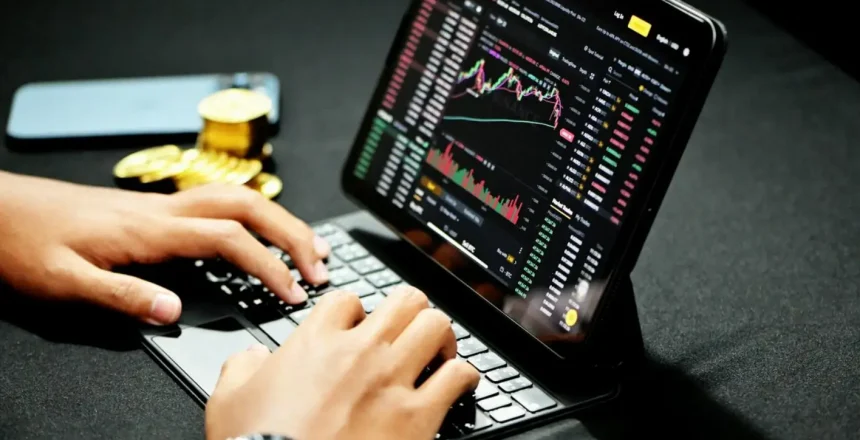
Paper trading is your gateway to mastering the art of trading without the risk. It’s a simulated environment where you can practice buying and selling securities with virtual money. This setup is perfect for anyone eager to test strategies and learn market dynamics without the fear of losing real cash.
Why is paper trading so important? It’s simple. It offers a risk-free platform where both beginners and experienced traders can refine their skills. You get to explore different trading strategies, see how they play out, and understand the market’s ebbs and flows—all without financial consequences.
For newcomers, it’s a fantastic way to get comfortable with trading platforms and procedures. You can experiment, learn from mistakes, and build confidence. For seasoned traders, it’s a playground to test new strategies or tweak existing ones.
By familiarizing yourself with the trading process in a safe environment, you lay a solid foundation for successful live trading. Plus, with tools like Cheddar Flow, you can align your paper trading strategies with real-time insights, further enhancing your learning experience.
Ready to explore the world of trading risk-free? Paper trading is your first step.
How Paper Trading Works
Paper trading is a practice environment that mirrors real market conditions using live data. It allows you to place trades as if you were using actual funds, but without any financial risk. This setup helps you get a feel for market operations and how trading platforms function.
A key feature of paper trading is its ability to simulate real-time scenarios. You’ll receive live market data, enabling you to execute trades and track performance just like in a live account. This is crucial for understanding how markets behave and for developing trading strategies.
One of the major differences between paper trading and live trading is the absence of financial risk. With virtual money, you’re free from the emotional highs and lows that come with real trading. This can be a double-edged sword, though, as emotional management is a big part of live trading success.
Setting a realistic virtual account size is important. This means choosing an amount that reflects what you’d actually trade with. This approach helps you make informed decisions and better simulates real trading scenarios.
While paper trading is a valuable tool for learning, the lack of emotional stakes can make it feel different from live trading. Using platforms like Cheddar Flow can enhance your paper trading by aligning strategies with real-time insights, helping bridge the gap between practice and reality.
Advantages and Disadvantages of Paper Trading
Paper trading offers a risk-free way to learn and practice trading strategies. You can test and refine your ideas without financial consequences, which is perfect for building confidence and understanding market dynamics. This hands-on approach helps you develop discipline and get comfortable with trading platforms.
However, there are drawbacks. The lack of real money means there’s no emotional involvement, which can lead to unrealistic expectations. You might take risks you wouldn’t consider with actual funds. Emotional management is a key part of trading, and paper trading doesn’t fully capture that experience.
If you’re curious how these emotional challenges play out in a fast-paced setting, our article A Beginner’s Guide on How to Day Trade for a Living deep dives into the strategies and mindset you need.
To make the most of paper trading, it’s essential to keep expectations realistic. Regularly analyzing your performance and adjusting strategies helps bridge the gap betwen simulated and live trading. Using tools like Cheddar Flow can align your paper trading with real-time insights, enhancing your learning process.
Another disadvantage in relation to paper trading is the non-inclusion of trading fees. Paper trading can give traders a false sense of confidence because it often excludes transaction fees and commissions. In a live trading environment, even small fees can significantly erode profits, especially for high-frequency or low-margin strategies. By ignoring these costs, paper trading presents an overly optimistic view of profitability. This can lead traders to underestimate the impact of cumulative expenses.
Being aware of these pros and cons prepares you for a smoother transition to live trading. Balancing the educational benefits with an understanding of its limitations makes paper trading a valuable step in your trading journey.
Transitioning From Paper Trading to Live Trading
Starting with real trading after paper trading is exciting. Begin small. Use a manageable amount of capital. This reduces risk and helps manage emotions. Keep your trades simple and straightforward.
Risk management is crucial. Set clear stop-loss levels and adhere to them. Avoid impulsive decisions. Discipline is your best friend here. The emotional aspect of live trading is real. Stay calm and focused.
Track everything. Use a trading journal to note each trade. Record what worked and what didn’t. Analyze these insights to refine your strategies. Adjust as needed based on your performance.
Cheddar Flow provides tools to align your strategies with real-time insights. Use these features to support your decisions. Our platform’s intuitive interface and real-time data can make this transition smoother.
It’s a learning process. Mistakes happen. Learn from them, adjust, and move forward. Transitioning to live trading is a step-by-step journey. Stay patient and persistent.