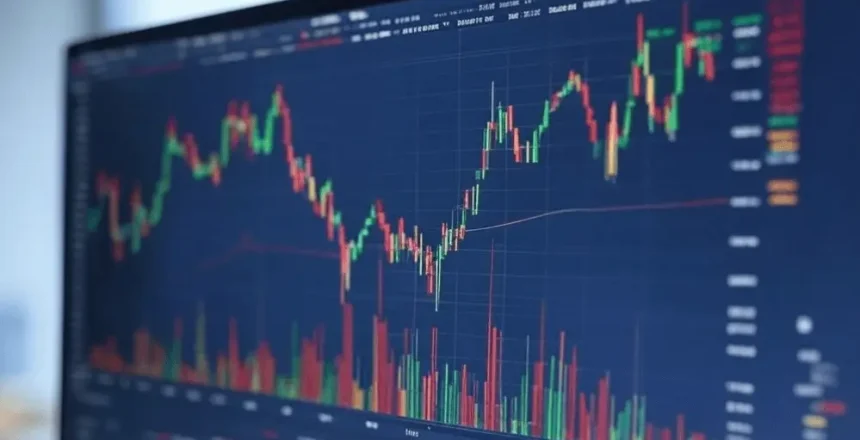
Options day trading is all about speed and precision. You’re trading contracts that give you the right, not the obligation, to buy or sell an asset. You’ve got a day to make your move. This fast-paced style is appealing because of the potential for quick profits from short-term price movements.
Day traders thrive on market volatility. They’re looking for those rapid shifts in price that can happen within hours or even minutes. You’re not holding onto anything overnight; you’re in and out, capitalizing on the day’s market fluctuations.
To succeed, you need real-time data. That’s where platforms like Cheddar Flow come in handy. With features like real-time options flow tracking and AI-powered trading signals, traders get the edge they need to make informed decisions quickly.
Here’s what makes options day trading tick:
- Contracts: They give you the right to buy or sell an asset within a set timeframe.
- Speed: Every second counts; you need to act fast.
- Market Volatility: More movement means more opportunities for profit.
- Real-Time Data: Essential to spot and act on opportunities as they arise.
Options day trading is all about taking advantage of these quick shifts to potentially earn profits. With a bit of knowledge and the right tools, you can navigate this dynamic trading style effectively.
How Options Trading Works
Options trading is all about flexibility. You have two main types of contracts: call options and put options. Call options give you the right to buy an asset at a set price before the contract expires. Put options, on the other hand, give you the right to sell an asset under the same conditions. To gain a deeper understanding of how put options work and explore various strategies involving them, such as long puts, short puts, and protective puts, check out our detailed article on put options and their role in trading strategies. These contracts are tools for both hedging against potential losses and speculating on price movements.
Market volatility plays a big role in how options are priced. When the market is jumpy, options tend to cost more. This is where implied volatility comes in. It’s a metric that reflects the market’s expectation of how much a stock might move. High implied volatility often means higher option premiums because there’s a greater chance of significant price swings.
Traders use options for different strategies. Here’s a quick rundown:
- Hedging: Protects existing investments by offsetting potential losses.
- Speculation: Bets on future price directions to capitalize on market movements.
- Income Generation: Selling options to earn premium income.
Understanding these basics is crucial. Options trading offers a range of possibilities, allowing traders to adapt to different market conditions. With this foundation, you’ll be ready to explore more advanced strategies later. For beginners looking to dive into options trading, our comprehensive guide on options trading essentials and strategies can provide valuable insights.
Day Trading Essentials
Day trading is all about quick decisions. You’re watching the market closely, looking for those small price fluctuations. These are the moments that can lead to profits. Timing is crucial. You need to be ready to act when the opportunity presents itself. This means having a strategy that guides your actions and helps manage risk.
A solid trading plan is your roadmap. It outlines when to enter and exit trades, how much to risk, and what indicators to watch. Discipline is key. It’s easy to get caught up in the excitement, but sticking to your plan helps avoid impulsive decisions. Day trading requires focus and the ability to keep emotions in check.
Tools and resources play a big role in success. A reliable trading platform is essential. It provides the real-time data you need to make informed decisions. Platforms like Cheddar Flow are designed with features that support day traders. Real-time options flow tracking and AI-powered trading signals give you the insights needed to stay ahead. For more information on how these features can enhance your trading experience, explore our blog section dedicated to Cheddar Flow’s innovative tools.
Here’s what you need to succeed in day trading:
- Real-Time Data: Critical for spotting opportunities as they arise.
- Reliable Platform: Ensures quick access to market information.
- Solid Trading Plan: Keeps you grounded and focused on your strategy.
- Discipline: Necessary to follow your plan without deviation.
With these essentials in place, you’re better equipped to navigate the fast-paced world of day trading.
Options Day Trading Strategies
Options day trading strategies are all about finding the right approach to profit from quick market moves. Having a strategy gives you an edge, helps you stay focused, and guides your decision-making process. Here are some popular strategies to consider:
- Scalping: Involves making numerous small trades to capitalize on minor price changes. You’re in and out quickly, looking to accumulate small gains that add up over time. It’s all about speed and precision.
- Trend Following: Focuses on riding the momentum of the market. You identify a trend, whether up or down, and make trades that align with the direction of that trend. This strategy relies heavily on technical analysis to pinpoint entry and exit points.
- Range Trading: This involves buying options at support levels and selling at resistance levels. It works best in a stable market where prices fluctuate within a certain range. Range traders often use charts and technical indicators to identify these levels.
- Momentum Trading: Capitalizes on news releases or strong trending moves. When a stock makes a significant move in one direction, traders jump on the momentum, hoping to ride the wave for a quick profit.
- Breakout Trading: Looks for stocks that are breaking out of established patterns or ranges. The idea is to catch the stock at the beginning of a potential new trend. This strategy requires a keen eye on market indicators and volume spikes.
Utilizing tools like technical analysis is crucial for these strategies. Platforms like Cheddar Flow provide essential features such as real-time options flow tracking and AI-powered trading signals, helping traders spot opportunities and adjust strategies on the fly. For those interested in understanding how options order flow can enhance these strategies, our comprehensive guide on Options Order Flow: Everything You Need To Know offers valuable insights into market sentiment and potential price movements. It’s all about having timely data and insights that support your trading plan.
Managing Risks in Day Trading
Risk management is key in options day trading. You’re dealing with market volatility, which can lead to quick financial losses. It’s crucial to have strategies in place to protect your investments. Let’s break down how you can manage these risks effectively.
Stop-loss orders are your first line of defense. They automatically sell your position when it hits a certain price, helping to limit your losses. This tool is essential for maintaining control over your trades, especially when the market is moving fast.
Position sizing is another vital aspect. It involves determining how much of your capital to invest in a trade. By only risking a small percentage, you protect your overall portfolio from significant losses. It’s about finding the right balance and not overextending yourself.
Maintaining discipline is just as important. A robust trading plan keeps you on track. It outlines your entry and exit strategies and helps manage emotions. Sticking to your plan helps avoid impulsive decisions that could lead to unnecessary losses.
For those interested in exploring diverse trading strategies, including options trading methods like the Wheel Strategy, our comprehensive guide on mastering the Wheel Strategy provides insights into generating consistent income while minimizing risk.
Here’s a quick list of risk management essentials:
- Stop-Loss Orders: Automatic sell orders to limit losses.
- Position Sizing: Investing a small percentage to protect your capital.
- Trading Plan: A structured approach to guide your trades.
- Discipline: Staying focused and avoiding impulsive decisions.
Mastering these elements of risk management is crucial for your trading success. They help navigate the challenges of day trading, keeping your financial and emotional health in check.
Comparing Options and Day Trading
Options trading and day trading are both dynamic styles, each with its own set of rules and strategies. Options trading involves contracts granting rights to buy or sell an underlying asset at a predetermined price within a certain timeframe. These contracts are tools for leveraging, providing opportunities for hedging or speculation based on implied volatility and other factors. For a deeper understanding of how options differ from traditional stock investments, you might find our comprehensive overview of stocks versus options insightful.
Day trading, on the other hand, is all about quick trades. You’re buying and selling financial instruments within the same day, aiming to profit from immediate price movements. It’s straightforward compared to the complexity of options trading, which requires an understanding of the Greeks and other market dynamics.
Here’s a quick comparison to understand the nuances of each:
- Contracts:
- Options: Involve buying and selling rights, not obligations.
- Day Trading: Focuses on owning and trading the actual assets.
- Rights and Obligations:
- Options: Buyers have rights but no obligations.
- Day Trading: You buy and sell directly, with no middleman contracts.
- Trading Hours:
- Options: Can trade based on market hours and contract expiration.
- Day Trading: Trades occur within regular market hours.
- Complexity:
- Options: Requires understanding of market factors like implied volatility.
- Day Trading: More focused on price movements and market trends.
Understanding these differences helps traders appreciate the unique aspects of each style, guiding them in choosing the one that aligns with their trading goals and risk appetite. For those interested in exploring different trading strategies, our article on retail trading and its various approaches provides valuable insights into the world of retail trading.
Tools for Successful Trading
Successful options day trading relies on having the right tools at your fingertips. First up, you need a reliable trading platform. It’s your command center, providing access to real-time market data and sophisticated charting software for technical analysis. For those looking to deepen their understanding of market data, learning how to read and analyze an options chain is essential. This is crucial for spotting those tiny price movements that can make or break your day.
A high-speed internet connection is a must. It ensures timely execution of trades and keeps you connected to the market without any lag. In day trading, seconds matter, and a slow connection can cost you opportunities.
Here’s a checklist of essential tools to enhance your trading experience:
- Trading Platform: Needs real-time data and advanced charting capabilities.
- High-Speed Internet: Vital for quick trade execution.
- Charting Software: Helps in analyzing market trends and identifying entry and exit points.
- News Access: Keeps you informed about market-moving events.
- Trading Desk: Useful for instantaneous order execution.
These tools are your allies in navigating the fast-paced world of options day trading. They provide the foundation for making informed decisions and improving your chances of success. Get these essentials in place, and you’re on your way to a smoother trading journey.
Regulations and Requirements
Understanding the rules and requirements of options day trading is crucial. One key regulation is the Pattern Day Trader rule. If you make four or more day trades within five business days, you’re considered a pattern day trader. This means you need to maintain a minimum account balance of $25,000. Falling below this can restrict your trading activities. It’s a rule that ensures traders have enough capital to handle the risks associated with day trading.
Leverage is another important aspect. It allows you to control a larger position with a smaller amount of capital. While this can amplify profits, it also increases risks. Be aware of the legal considerations, as using leverage responsibly is crucial. Misuse can lead to significant losses and potential legal issues. For a deeper understanding of how leveraging borrowed funds can impact your trading strategy, explore our insights on buying on margin and the associated risks.
Here’s what you need to keep in mind:
- Pattern Day Trader Rule: Requires a $25,000 minimum balance to engage in frequent day trading.
- Leverage Usage: Offers the ability to trade larger positions but comes with increased risks.
- Risk Management: Essential to handle leverage and avoid financial pitfalls.
- Regulatory Compliance: Necessary for uninterrupted trading activities.
Adhering to these regulations helps protect your trading account and ensures you remain compliant with legal standards. Understanding and following these rules is essential for anyone diving into options day trading.
Psychology in Day Trading
Day trading isn’t just about numbers and strategies. It’s a mental game too. The ability to manage emotions like fear and greed is crucial. Losing control can lead to impulsive decisions, which often result in losses. Success in day trading involves staying calm and objective, even when the market gets wild.
Discipline is your best friend. A well-thought-out trading plan sets the rules for when to enter and exit trades. Sticking to this plan helps you avoid those knee-jerk reactions that can happen when emotions take over. Consistently following your strategy, even when tempted to stray, is essential.
For those interested in exploring different trading methodologies, understanding contrarian trading strategies using sentiment analysis can provide insights into how market emotions influence trading decisions. This approach emphasizes buying when others are fearful and selling when others are greedy, highlighting the psychological aspects of trading.
Here are some key psychological tips for day traders:
- Stay Calm: Keep emotions in check to make rational decisions.
- Follow Your Plan: Stick to your trading strategy to avoid impulsive trades.
- Practice Patience: Wait for the right opportunities, don’t rush into trades.
- Reflect Regularly: Take time to review your trades and learn from mistakes.
Successful traders know that maintaining mental fortitude is as important as technical skills. By focusing on these psychological aspects, you build a solid foundation for making smart, calculated moves in the fast-paced world of options day trading.
Starting Your Day Trading Journey
Getting started with options day trading means diving into the basics and building a solid foundation. First, understand market fundamentals. Know what options are and how they work. They give you the right to buy or sell an asset within a certain time. Familiarize yourself with key terms like call options, put options, and strike prices. This knowledge is crucial for making informed decisions. For a deeper understanding of these concepts, explore our guide on how to read and analyze an options chain, which details components such as strike prices, expiration dates, and more.
Next, open a brokerage account. Choose a platform that suits your trading needs. Make sure it provides real-time data and essential tools for analysis. You’ll need enough capital to meet the Pattern Day Trader rule, which requires maintaining a minimum balance.
Developing a disciplined trading strategy is essential. Plan your trades and set clear goals. Determine when to enter and exit trades, how much risk to take, and what indicators to rely on. A well-thought-out strategy keeps your trading focused and consistent. Consider exploring various strategies for selling options to enhance your trading approach, covering techniques like Covered Calls and Iron Condors.
Practice is key. Start with a demo account if possible. This lets you test your strategies without risking real money. Learn to manage risks by using stop-loss orders and proper position sizing. This helps protect your capital and manage potential losses.
Here’s a quick guide to get you going:
- Understand Market Fundamentals: Learn about options and trading terms.
- Open a Brokerage Account: Choose one with real-time data and tools.
- Develop a Trading Strategy: Outline your goals, risks, and indicators.
- Practice Trading: Use a demo account to refine your skills.
By following these steps, you’ll be better prepared for the dynamic world of options day trading. Embrace the learning process, and you’ll build the confidence needed to navigate the markets effectively.
Key Takeaways for Options Day Trading
Options day trading is a high-stakes game with big rewards. You need knowledge, discipline, and solid risk management to succeed. A good trading plan helps you navigate the market and make smart choices.
The right tools matter. Our platform tracks options flow in real-time and sends AI-powered alerts to keep you on top of market trends. We also offer custom filters and data analysis to help you trade better.
Know the rules, too. The Pattern Day Trader rule and leverage use are important. Understanding these protects your trades and your money.
Key points to remember:
- Knowledge and Discipline: These help you trade smart and manage risks.
- Trading Plan: A roadmap for your trading journey.
- Tools and Resources: Use platforms with real-time data and trading insights.
- Regulatory Awareness: Know rules like the Pattern Day Trader requirement.
Being ready and informed helps you tackle options day trading challenges. Keep learning to make smarter, more strategic trades.